Enferemería
Vol. 5 Núm. 1 (English)
46 min
SEUP nursing conference: compendium of communications
Jornada de enfermería de la SEUP: compendio de comunicaciones
Publicación:
11/03/2026
Métricas
104
Visualizaciones
8
Descargas
Compartir
Compartir
WHEN TO SPEAK CALMLY: THE POWER OF VERBAL CONTAINMENT IN PEDIATRIC PSYCHIATRIC EMERGENCIES. Colina-Ruíz M, Inchusta-Pérez P, Calzada-Gandarillas S, Carrasco-Cortés A, Sánchez-Lafuente P, Ferrer-Doporto M. Hospital Infantil Universitario Niño Jesús. Madrid, Spain.
Introduction. Pediatric mental health emergencies have increased since the 1990s, representing between 2% and 5% of the total. The most common reasons are anxiety, aggression, suicidal ideation, decompensation of previous disorders, and intoxications. Management includes evaluation, non-pharmacological intervention, pharmacological treatment if necessary, and, only in extreme cases, physical restraint and hospitalization. Immobilization must be an exceptional and temporary measure, as it violates ethical principles, can generate adverse effects, and cause stress to professionals. As an alternative, verbal containment seeks to reduce distress through assertive communication and requires specific training for healthcare personnel, especially when the service does not have a mental health nurse specialist.
Objectives. To analyze the approach to agitation crises in patients with psychiatric pathology treated in pediatric emergencies using verbal containment strategies, and to identify evidence-based de-escalation techniques that promote a safe environment for both the patient and healthcare personnel.
Methods. A literature review was conducted between September and October 2025, not included in a broader line of research; published in the PubMed, Cochrane Library, and CINAHL databases. The main search strategy used controlled vocabulary DeCS: “emergency service, hospital”, “de-escalation”, “pediatrics”, “psychomotor agitation”, and free terminology. Inclusion criteria were articles published in the last 10 years, in Spanish or English. Exclusion criteria were articles with a non-conforming title or abstract with inconclusive results. Fourteen articles were reviewed, and, through an evaluation of methodological quality with the Spanish Critical Reading Skills Program, 7 were finally selected. A descriptive theoretical study published by the Official College of Nursing of Madrid was added as grey literature.
Results. The evidence found highlights verbal de-escalation as a key intervention, especially within the renowned Project BETA (Richmond et al. 2010) of the American Association for Emergency Psychiatry, which proposes a structured approach across ten domains. They thus offer clear guidelines based on respect, concise communication, active listening, establishing clear boundaries, and identifying wants and needs. Within the nursing care plan, it is included in the diagnosis of acute confusion [00128]. However, a descriptive study carried out in 2023 in three American pediatric emergency departments showed significant deficiencies: 58.7% of the respondents were nurses and only 9.6% used agitation scales, 12.9% followed specific guidelines, and 24.2% had received training. For this reason, 82.5% considered medication as the first resource. Even so, the evidence shows that standardized verbal de-escalation, from a multidisciplinary approach, reduces the use of restraint and improves the therapeutic alliance.
Conclusions. Verbal containment is confirmed as an essential tool for safely and humanely managing agitation in pediatrics. Its proper use, based on empathy, active listening, and clear, non-coercive communication, allows reducing the need for physical or pharmacological interventions. Furthermore, it promotes a greater therapeutic alliance and confidence in health services for the child or adolescent who has suffered an episode of psychomotor agitation. To guarantee its effectiveness, the training of healthcare personnel is essential, as it facilitates the early identification of agitation and the correct application of verbal de-escalation strategies.
FACTORS ASSOCIATED WITH PARENTAL ANXIETY IN PEDIATRIC EMERGENCY DEPARTMENTS. Calzada-Gandarillas S, Carrasco-Cortés A, Colina-Ruiz M, Inchusta-Pérez P. Hospital Infantil Universitario Niño Jesús. Madrid, Spain.
Objectives. To analyze the factors contributing to the development and maintenance of parental anxiety during pediatric emergency care, identifying individual, contextual, and care-related variables described in recent literature, in order to guide nursing strategies for communication and accompaniment that improve the family experience and satisfaction with the care received.
Method. A narrative review of the literature published between 2020 and 2025 on parental anxiety and stress in pediatric emergency departments was conducted, including observational, cross-sectional, and qualitative studies. The sources analyzed address predictors of anxiety, its relationship with parental characteristics (mental health, educational level, parenting competence), child variables (temperament, clinical severity, type of pathology), and organizational aspects (waiting time, information received, professional treatment). Articles with rigorous methodology published in international journals on emergency medicine, pediatrics, and clinical psychology were prioritized.
Results. Evidence consistently shows that parental anxiety in pediatric emergencies is a frequent and multifactorial phenomenon. The main associated factors are: Parental characteristics: history of anxiety disorders, low level of perceived parenting competence, and ineffective coping strategies. Child variables: the parents’ perception of severity (not always coinciding with actual clinical severity) and the performance of invasive procedures that, when the diagnostic process is not understood, increase anxiety levels. Professional communication: comprehensible information and empathetic accompaniment by nursing staff are related to greater satisfaction and reduced anxiety. Special contexts: during the COVID-19 pandemic, levels of anxiety and worry increased, reinforcing the need for emotional support and health education. Parent-child interaction: parental anxiety directly influences the child’s anxiety during their hospital stay. Instruments such as the Parental Stress Scale (Spanish version of 12 items) and the Parental Competence questionnaire (ECP-U) are shown to be valid and reliable for evaluating stress and competence in this context.
Conclusions. Parental anxiety in pediatric emergencies is determined by a combination of psychological, family, and organizational factors. Nursing interventions aimed at improving clinical communication, offering comprehensible and early information, reducing perceived waiting times, and strengthening parental competence and emotional coping can decrease anxiety and improve the overall care experience. The systematic use of validated stress and parental competence scales allows for the identification of vulnerable families and facilitates their referral to support resources. These findings support the key role of pediatric emergency nursing in the comprehensive and humanized care of both the child and their family.
PROMOTING RESEARCH IN PEDIATRIC EMERGENCY DEPARTMENTS THROUGH THE FIGURE OF THE REFERENCE NURSE. Allaoui I, Fernández-Mateos I, Blanco-González JM, Gutiérrez-Juárez M. Hospital Materno Infantil San Joan de Deu. Barcelona, Spain.
Objectives. To explore the level of interest, motivation, and training needs in research among nurses in a pediatric emergency department of a third-level hospital. Furthermore, to analyze the importance of incorporating the figure of the research reference nurse in the department as a key element to boost scientific activity.
Methods. A cross-sectional study was conducted using a survey specifically designed for nurses in the pediatric emergency department. The questionnaire included sociodemographic data, professional experience, research training, scientific output, perceived barriers, and training preferences. Simultaneously, a descriptive analysis was carried out on the role, functions, and competencies of the research reference nurse, with the aim of assessing their usefulness in this healthcare context.
Results. Thirty-three professionals participated, mostly young and with diverse experience. Although a significant portion had received research training, scientific output was very limited. The majority expressed interest in expanding their knowledge and showed a preference for brief and accessible training formats. Among the main barriers highlighted were the lack of institutional support and the difficulty in reconciling research with the care workload. The analysis of the role showed that the research reference nurse can perform essential functions to foster scientific output, such as guiding bibliographic searches, accompanying in scientific writing, promoting projects, encouraging multidisciplinary work, and creating favorable environments for generating evidence. Their presence contributes to strengthening evidence-based practice, improving the quality and safety of care, and consolidating research groups in an environment where scientific activity has traditionally been scarce.
Conclusions. The study shows a high interest among nurses in research training, despite the low scientific output and existing barriers. The incorporation of a research reference nurse is emerging as an innovative and effective strategy for a demanding area such as pediatric emergency care, where care pressure limits research. This figure can act as a driver for change, generating training opportunities, supporting projects, and facilitating the integration of research into daily clinical practice. Its implementation could boost a research culture and contribute to the advancement of knowledge in a critical area like pediatric emergency departments.
CAN SUICIDE PREVENTION STRATEGIES BE IMPLEMENTED IN PEDIATRIC EMERGENCY DEPARTMENTS BY NURSES? Martínez-Serrano A, García-Medina AM, Martínez-Serrano M. Hospital Universitario La Paz. Madrid. Hospital Universitario y Politécnico La Fe. Valencia, Spain.
Objectives. To determine whether strategies exist for suicide prevention and the care of suicidal patients in the pediatric emergency setting by nursing staff.
Methods. A narrative review was conducted using the keywords: Suicide, Prevention; Nursing Care; Emergencies; Pediatrics. The search yielded 196 articles, of which 16 were included.
Results. A significant proportion of adolescents presenting to pediatric emergency departments with physical symptoms screen positive for suicide risk, and many people who die by suicide had visited a healthcare professional in the month prior to their death. The AAP recommends universal suicide risk screening. The use of the validated emergency department instrument Ask Suicide-Screening Questions (ASQ) for patients ≥ 10 years is evaluated. In a retrospective study in a pediatric emergency department administering the ASQ questionnaire, out of 15,003 participants, 806 (7.8%) screened positive. Nurse-patient communication is fundamental in suicide prevention in pediatric emergency departments; we wanted to describe it as a key aspect of this review, given that many adolescents present without directly expressing their suffering. Nurses are usually the ones who spend the most time with the patient and who generate the initial atmosphere of safety. However, numerous studies describe that they experience insecurity when talking about suicide for fear of “saying something inappropriate” or increasing the risk, a myth that the literature debunks: asking does not provoke suicidal ideation, but rather facilitates emotional expression and reduces isolation. Therefore, the ability to initiate and sustain the conversation with empathy becomes a fundamental element. Adolescents often communicate their suffering indirectly, with silences, brief answers, or avoidant behaviors. Some authors recommend focusing on “the patient’s voice,” which can contribute to a more favorable clinical encounter between nurses and these patients; even when in a crisis situation, their capacity must still be considered and not as a mere object of care. There are various theoretical aspects for nursing care related to mental health, with the patient’s own history being the central aspect of the science of care. Several recommendations for the nurse are gathered: they should not feel questioned or interrupted to give advice and reassuring comments; an atmosphere of empathy, rather than the duration of the encounter; encounters that transmit presence, understanding, and recognition of the young person’s personal value; carrying them out during patient care or check-ups, with the nurse initiating contact since they avoid talking about their problems; when they do talk, it usually lasts a short time, and sometimes they only choose to talk with the nurse; these encounters could be potentially life-saving for a patient dealing with loneliness and isolation. The nurse can, for example, reassure the patient that the pain will pass, with phrases such as “this is a temporary situation, you will get through this,” “you are not alone,” and “what you are feeling is not forever.” Giving voice to their concerns is suggested as a way to show that they are a “valuable person,” that their existence matters. Among the prevention interventions in pediatric emergency departments, the review highlights counseling on lethal means restriction (weapons, pills, or other objects) and developing a safety plan. Regarding lethal means restriction, which consists of educating families on how to reduce access to firearms, medications, or dangerous objects. The literature shows that this intervention is viable in the emergency department and positively valued by families. Nursing, due to its educational role and closeness, is in an ideal position to explain it clearly and adapted to each family context.
Conclusions. The results obtained allow for describing the possibility of implementing suicide prevention strategies in pediatric emergency departments, including nurses; provided with adequate training, protocols, and institutional support. The evidence shows that nurses are in a privileged position to detect risk, initiate conversations, connect with adolescents, and support the adoption of safety measures for the patient and their families. Therapeutic communication is a fundamental element, capable of reducing isolation, facilitating emotional expression, and allowing for the early identification of suicidal ideation.
COMMUNICATION BARRIERS BETWEEN HEALTHCARE PROFESSIONALS AND PATIENTS: IDENTIFICATION AND STRATEGIES TO OVERCOME THEM. Carrasco-Cortés A, Colina-Ruiz M, Inchusta-Pérez P, Calzada-Gandarillas S, Ferrer-Doporto M, Sánchez-Lafuente P. Hospital Infantil Universitario Niño Jesús. Madrid, Spain.
Objectives.
- General objective: To analyze the main communication barriers existing between healthcare personnel and patients and families.
- Specific objective: To identify effective strategies and tools to improve clinical interaction, promote patient understanding, and strengthen the therapeutic relationship.
Methods. A narrative review of scientific literature published between 2019 and 2025 in international health databases is conducted. Original articles, systematic reviews, and qualitative studies focused on professional-patient communication are selected.
Results. The analysis highlights five major groups of communication barriers.
- Linguistic and health literacy barriers, where the use of technical jargon or the absence of interpreters generates misunderstanding and errors in care.
- Cultural and value differences, influencing therapeutic adherence.
- Emotional barriers, derived from fear, anxiety, and pain, limiting the capacity to receive information and express concerns.
- Healthcare overload and lack of time, reducing the quality of dialogue between the professional and the patient.
- Sensory, cognitive, or relational difficulties affect the comprehension of information and trust in the professional. Among the most effective strategies identified are the use of interpreters and materials adapted to the patient’s comprehension level, cultural training, empathy and implementation of techniques, reorganization of care time, and the use of accessible visual digital tools. The importance of communication centered on the patient and their families is emphasized, based on active listening, respect, and shared decision-making.
Conclusions. Professional-patient communication is an essential component of quality care and patient safety. A multitude of barriers persist that limit its effectiveness, with linguistic barriers being the most relevant. Current evidence shows that improving communication not only increases satisfaction and therapeutic adherence but also reduces errors and improves health outcomes. Integrating strategies into daily practice is fundamental to diminish these barriers and achieve effective communication.
WHEN THE CONFLICT IS NOT IN THE CHILD: THE ROLE OF NURSING IN THE PRESENCE OF UNCOOPERATIVE PARENTS IN PEDIATRIC EMERGENCY DEPARTMENTS. Castilla-Martín A, Mariscal-Escobar L, Leonis-García N, Martínez-Rodríguez I, García-Navarro C. Hospital Universitario de Donosti. San Sebastián, Spain.
Abstract. In pediatric emergency departments, conflicts caused by uncooperative parents or caregivers have significantly increased in recent years, becoming a growing challenge for healthcare professionals. Factors such as emotional stress, healthcare system overload, misinformation, and unrealistic expectations regarding care generate tension that can hinder the child’s clinical assessment and delay necessary interventions. Behaviors such as refusing to authorize procedures, resisting following instructions, or verbal hostility are part of an increasingly reported phenomenon in emergency settings.
Objectives. To analyze the role of nursing in conflict situations with uncooperative parents in the pediatric emergency setting. The aim is to identify the most frequent circumstances that generate confrontation, assess their emotional and operational impact on nursing staff, provide effective communication tools and coping strategies, and review the ethical and legal aspects involved, especially in cases of treatment refusal by parents or guardians.
Methods. A narrative literature review of publications from the last ten years (2015-2025) was conducted, consulting PubMed, Scopus, SciELO, and Web of Science. Priority was given to observational studies and reviews of care protocols that examined cases where parents exhibited hostile behavior, distrust towards the healthcare team, treatment refusal, or verbal aggression. Furthermore, the literature search prioritized studies emphasizing the communication strategies used by nursing staff, teamwork, and the available institutional support mechanisms for these types of events.
Results. Scientific literature identifies the following regarding situations involving uncooperative parents in Pediatric Emergency Departments:
- The situations generating the greatest conflict are associated with long waiting times, disagreements over therapeutic decisions, or dissatisfaction with the care received.
- These episodes cause feelings of frustration, stress, and burnout in Nursing staff, which can compromise the quality and safety of patient care.
- Assertive communication, active listening, and emotional validation are identified as key tools for reducing tension and promoting cooperation.
- Coordinated action by the multidisciplinary team, early referral for supervision or mediation, and clear and objective documentation of the conflict are essential for maintaining clinical and legal safety.
- Additionally, scientific literature highlights the importance of training in non-technical skills, such as emotional management and conflict resolution, as well as the simulation of critical scenarios to reinforce staff preparedness.
Conclusions. Conflict with parents in Pediatric Emergency Departments is a growing reality that directly impacts patient safety and the emotional well-being of Nursing staff. The ability to manage these situations with professionalism, empathy, and firmness is fundamental to guarantee quality care. The implementation of action protocols, continuous training programs, and institutional support strengthens the team’s response to uncooperative parents. Nursing, as the liaison between the family and the rest of the healthcare team, plays a decisive role in the prevention and resolution of conflicts, ensuring that the primary focus always remains on the child’s well-being.
SEPTIC SHOCK IN PEDIATRICS: EARLY DETECTION AND NURSING MANAGEMENT. Fernández-Haro A, Espinosa-Peña M, Vilademunt-Alcaide N. Hospital Materno Infantil San Joan de Deu, Barcelona, Spain.
Introduction. Septic shock is the most severe form of sepsis, characterized by cardiovascular, cellular, and metabolic dysfunction leading to tissue hypoperfusion and persistent organ failure. It represents a significant cause of pediatric mortality, with an estimated incidence of 1-3 cases per 1,000 hospital admissions and a mortality rate of 15-20%, especially in neonates and critically ill patients. In this context, the role of nursing is essential for early detection and intervention during the “golden hour.” Key functions include monitoring vital signs, assessing perfusion, administering fluid therapy and vasoactive drugs, as well as coordinating the multidisciplinary team to ensure rapid and effective care.
Objective. To review the current scientific evidence on the role of nursing in the early detection and initial management of septic shock in pediatric patients, identifying interventions that contribute to reducing mortality and improving response times during initial care.
Methodology. A bibliographic review was conducted in PubMed and CINAHL during September and October 2025, using the DeCS/MeSH terms: “Shock, Septic,” “Nurses,” “Pediatric Nurse Practitioners,” “Infant,” and “Pediatrics,” combined with the Boolean operators AND/OR. Studies from the last 5 years were included, focusing on the pediatric and neonatal population that addressed early detection, initial management, or sepsis protocols, while pharmacological research, those centered on specific pathologies, or those targeting adults were excluded. Finally, 11 studies were selected: 2 experimental, 1 quasi-experimental, 2 observational, 2 systematic reviews, and 4 narrative reviews, to which 5 gray literature publications were added, totaling 16 publications for critical reading. Selection was performed following the CASPe criteria, prioritizing validity, relevance, and applicability for nursing practice.
Results. 100% of the reviewed studies agree that early nursing action is a key factor in improving clinical outcomes in pediatric patients with sepsis or septic shock. Approximately 60% of the studies highlight the need for structured protocols to guide action during the “golden hour,” a decisive moment for the patient’s prognosis. A quasi-experimental study evidenced that the implementation of evidence-based clinical guidelines significantly reduces recognition and treatment times. International clinical practice guidelines consolidate the administration of antibiotics and fluids within the first hour as a critical intervention, reinforcing the nursing role in identifying warning signs and immediately activating the sepsis code. Nationally, protocols and guidelines emphasize the importance of early detection, applying algorithms such as the Pediatric Assessment Triangle (PAT), which assesses appearance, work of breathing, and circulation to the skin, facilitating the immediate activation of the sepsis code. Furthermore, the ABCDE algorithm (Airway, Breathing, Circulation, Disability, Exposure) and the identification of “red flags” are included as fundamental tools in the initial assessment. In addition, all reinforce the nursing role in early identification, promoting the use of alert scales such as the PEWS (Pediatric Early Warning Score), which enhance nursing autonomy and leadership, along with structured action algorithms. Likewise, the importance of continuous reassessment and effective coordination among professionals during the initial critical hour is underscored, thus ensuring a rapid and effective response.
Conclusion. Overall, the evidence indicates that success in the care of pediatric patients with septic shock depends not only on available resources but also on the team’s organization and response capacity, where nursing assumes an essential role in early detection and initial intervention. The active and protocolized role of nursing, based on clinical guidelines and structured protocols, is crucial to ensuring effective action during the “golden hour,” through the identification of warning signs and the early administration of fluid therapy and antibiotics. Continuous training, the implementation of early warning systems, and the strengthening of nursing leadership are consolidated as fundamental pillars for improving the quality, safety, and efficiency of care, ensuring a rapid and coordinated response to these cases.
THE POWER OF DISTRACTION. TECHNIQUES TO IMPROVE THE PEDIATRIC EXPERIENCE DURING NURSING PROCEDURES IN THE EMERGENCY DEPARTMENT. Guixé-Tomàs AD; Cortés-Correa L. Hospital Materno Infantil San Joan de Deu. Barcelona, Spain.
Objective. To evaluate the effectiveness of distraction techniques during nursing procedures in pediatric patients to decrease anxiety and perceived pain, and improve cooperation in the emergency department.
Method. A literature review of the last five years on distraction techniques in pediatrics was performed. The MeSH terms “Distraction,” “Pain,” “Anxiety,” “Nursing care,” “Nursing procedures,” “Pediatrics,” “Play and toys,” “Play therapy,” “Virtual reality,” “Relaxation techniques,” “Emergencies,” as well as free terms combined with Boolean operators AND and OR, were used. The search was carried out in SciELO, COCHRANE, and PubMed. Of 139 initial articles, 68 were selected after reviewing the title and abstract. Applying inclusion, exclusion, and critical appraisal criteria (CASPe tool), 25 articles were included: 2 from SciELO, 8 from COCHRANE, 10 from PubMed, and 5 via the snowball technique. Sixty percent were published between 2023 and 2024, and three older ones (2016-2017) were incorporated due to their relevance. The majority (22) came from developed countries.
Result. Evidence shows multiple effective distraction techniques in pediatric emergencies, with a positive impact on reducing pain, anxiety, and improving cooperation. Their efficacy varies depending on age and the type of procedure. In neonates and infants, non-nutritive sucking, skin-to-skin contact, and breast milk stand out, which reduce pain (evaluated using NIPS and PIPP) and stabilize physiological parameters such as heart rate, crying, or oxygen saturation. Physical containment, especially in premature infants, enhances these effects. In childhood, vibratory devices are used effectively to decrease pain, fear, and increase satisfaction during vaccinations and venipuncture. Cryotherapy has proven to be an efficient alternative to anesthetic creams for Port-a-Cath punctures, with advantages in time, cost, and tolerance, and without causing vasoconstriction. Play therapy is one of the most effective strategies for reducing anxiety and fear, facilitating the child’s and family’s understanding of the procedure, which improves cooperation and emotional control. Music therapy and animal-assisted therapy also promote collaboration, especially in patients with special needs. In adolescents, virtual reality stands out, which can reduce pain by up to 75% and fear by up to 69% during procedures such as venipuncture, burn dressing changes, or catheter insertion. Its sensory immersion generates greater distraction than other digital media. Furthermore, psychological techniques such as cognitive-behavioral therapy, hypnosis, guided breathing, and positive reinforcement are useful in patients undergoing repeated procedures, such as oncological patients, by reducing anticipatory anxiety and promoting coping, although their effect on physical pain is lower.
Conclusion. Distraction techniques constitute essential tools in urgent pediatric care, demonstrating great efficacy in reducing pain and anxiety, improving cooperation, and optimizing the experience of the child and their family. Their integration into nursing practice promotes faster, safer, and more humanized procedures, reduces the emotional burden on staff, and strengthens the therapeutic bond. In a demanding environment such as pediatric emergencies, their systematic use based on evidence not only improves the quality of care but represents an ethical responsibility for nursing professionals committed to empathetic, effective care centered on the integral well-being of the minor.
EFFICACY AND ERRORS IN THE TECHNIQUE OF USING THE METERED DOSE INHALER (MDI) AND SPACER IN PEDIATRICS. González-Pais I, Galego-Outes A, Afdaoui-El Mazoud A, González-Muñoz O, Menchaca-Torio M. Cruces University Hospital. Barakaldo. Vizcaya, Spain.
Objectives. To describe the available evidence on the use of pressurized metered dose inhalers (MDI) with a spacer in the pediatric population with respiratory pathology, aimed at improving therapeutic efficacy and the main errors in inhalation technique.
Methods. A literature review was performed in Medline using five independent search strategies that combined the descriptors Metered Dose Inhalers, Inhalation Spacers, Education, Pediatrics, and Inhalation Technique, using the Boolean operators AND and OR. A pair-wise reading of the bibliography was carried out and the methodological quality of the studies was assessed with the STROBE and CASPe tools. Studies in English and/or Spanish focused on the population aged 0 to 18 years were included. Studies on nebulizers, dry powder inhalers, or those that only analyzed the perspective of family members or non-healthcare caregivers were excluded.
Results. 300 articles were obtained from January 2014 to April 2025. After applying filters, inclusion and exclusion criteria, and performing a full reading, 11 articles were selected: 4 systematic reviews, 2 narrative reviews, 1 cross-sectional study, 1 clinical practice guideline, 1 randomized controlled trial, and 2 in vitro experimental studies. These studies indicate that the transition from a mask to a mouthpiece should be based on the patient’s ability to coordinate and seal correctly, regardless of chronological age. Likewise, it is documented that insufficient sealing with a mask, as well as administration during crying, reduces drug delivery. Another relevant finding is the function of the whistle on the chambers, which indicates a high inspiratory flow, pointing to a common but little-recognized technical error. The evidence also agrees that the only reliable method to determine that an inhaler is empty is dose counting. Furthermore, ways to reduce drug sedimentation on the chamber walls are discussed, optimizing the time between shaking, actuating, and inhaling, while respecting the waiting time between doses. Finally, the importance of priming the MDI and/or spacer before use is highlighted, as well as its correct periodic cleaning, for both antistatic and static chambers.
Conclusion. The available evidence confirms that the therapeutic efficacy of the MDI with a spacer in the pediatric population largely depends on a correct inhalation technique, identifying the following as critical points: the adequacy of the technique according to the patient, compliance with the times during administration and between doses, effective sealing, and proper cleaning of the devices. These findings allow for guiding training strategies that improve clinical practice and optimize treatment administration.
EXPERIMENTAL STUDY ON THE EFFECT OF THE BUZZY DEVICE ON PAIN PERCEPTION DURING VENIPUNCTURE IN PEDIATRICS. A PILOT STUDY. Blaya-Gallego P, Rosales-Blanco M, García-Rodríguez A. Complejo Hospitalario Universitario Insular Materno Infantil de Gran Canaria. Las Palmas de Gran Canaria, Spain.
Objectives. Pain and anxiety during pediatric venipuncture are common and affect the experience of the child and their family. The Buzzy device, which uses cold and vibration, is proposed as a non-pharmacological intervention to mitigate them. Main objective: to assess the feasibility of the protocol and the adequacy of pain and anxiety scales in a pilot study stratified by age. Specific objectives: to describe pain and anxiety by strata and group; to examine the baseline balance of sociodemographic characteristics; and to define operational improvements for the expanded phase.
Methods. Quasiexperimental pilot study, stratified by age, conducted in a pediatric blood drawing unit of a tertiary hospital. Thirty-two children aged 3 to 14 years were included in two strata: 3–6 (n=16) and 7–14 (n=16). In each stratum, alternating 1:1 assignment to Buzzy (n=8) or control (n=8) was applied. Inclusion and exclusion criteria: Inclusion: children aged 3 to 14 years, scheduled blood sampling, informed consent from parents or guardians, and assent from the minor. Exclusion: children with neurological or neurodevelopmental disorders that prevent the valid use of scales, refusal to participate, and children with topical anesthetic treatment in the puncture area. Preparation. After authorization from the ethics committee, a meeting was held with the unit supervisor, and training was provided to the staff on the use of Buzzy and the study procedure. An alternating 1:1 sequence for access to table A (Buzzy) or table B (control) was defined within each stratum so that the research team would not control the flow. Procedure. In the waiting room, the family is informed individually; after signing the informed consent, the sociodemographic questionnaire is handed out. At table A, the Buzzy device is applied one minute before and during venipuncture; at table B, the procedure is performed with usual care. Immediately after the puncture, pain is recorded using the scale for the stratum (3–6: Wong-Baker 0–10; 7–14: VAS 0–10) and anxiety of the child (0–10) and the parent (0–10). The family hands in the sheet of sociodemographic characteristics of the child and the father, mother, or guardian. Variables. Main outcome variable: post-puncture pain (3–6: Wong-Baker 0–10; 7–14: VAS 0–10); and secondary variables: child anxiety (0–10) and parent anxiety (0–10). Exposure variable: group (Buzzy vs. control). Child context variables: age, sex, educational level, number of siblings, previous negative invasive experiences, previous blood draws (categories: 0; 1–2; 3–5; 6–10; ≥11), previous use of topical anesthetic, distraction methods, chronic medical condition, and usual treatment for child pain or anxiety; and parent/guardian context variables: age, sex, educational level, employment, healthcare profession, number of children, marital status, and previous anxiety during the child’s medical procedures. Analysis. Descriptive by stratum and group: n, mean, standard deviation (SD) and median for continuous and ordinal variables, and n (%) for categorical variables.
Results. 32 children were analyzed, with 8 Buzzy and 8 control in each stratum. Pain: in 3-6 years, the median was lower in Buzzy (4.0; interquartile range 3.5-5.8) than in control (5.0; 3.3-8.5). In 7-14 years, the mean was 3.00 (SD 2.20) in Buzzy versus 4.50 (SD 3.07) in control (medians 3.0 vs 5.0). Anxiety: child 3-6 years, Buzzy 5.0 (SD 3.02; median 5.0) vs control 6.0 (SD 3.38; median 6.0); child 7-14 years, Buzzy 4.0 (SD 2.62; median 4.0) vs control 3.88 (SD 2.47; median 4.0). Parent: 3-6 years, Buzzy 3.75 (SD 1.98; median 4.0) vs control 3.12 (SD 2.10; median 4.0); 7-14 years, Buzzy 2.75 (SD 2.05; median 2.0) vs control 3.12 (SD 4.09; median 1.5). Sociodemographic characteristics were described with n (%) by stratum and group. Data collection was feasible.
Conclusions. The protocol was feasible and is transferable to other pediatric units, including the Pediatric Emergency Department. In 3–6 years, Buzzy showed lower pain scores compared to control and, in 7–14 years, a trend towards lower pain was observed; the analysis was strictly descriptive. The pain and anxiety scales were feasible and understandable, and it is proposed to maintain them, standardizing the time of measurement. The baseline balance was heterogeneous in some variables, for example, previous blood draws in 7-14 years, which will be considered context variables in the expanded phase. For this phase, it is proposed to maintain the 1:1 assignment by stratum, reinforce staff training, consider more than one attempt as not evaluable for the pain outcome, and incorporate heart rate as objective support for anxiety with clear measurement windows.
NON-PHARMACOLOGICAL INTERVENTIONS FOR PAIN MANAGEMENT IN PEDIATRIC EMERGENCY DEPARTMENTS AND THE NURSING ROLE. Mera-González P, Sanguino-Peña J, González-Sánchez J, De La Vega-Pacheco I, Moro-Sánchez R, Marquina-Campos M. Complejo Asistencial Universitario de Salamanca. Salamanca, Spain.
Objectives. To analyze the available evidence on the efficacy of non-pharmacological interventions for the treatment of pain in children attended in pediatric emergency services and to describe the nursing role in their implementation. To identify the most feasible, safe, and effective strategies in the emergency care setting.
Methodology. A literature review was conducted. The databases PubMed, CINAHL, Scopus, Web of Science, and SciELO were consulted, as well as documents from scientific societies (SEUP, AEP, DolorInfantil). The following MeSH/DeCS terms were used for the search: “Pain Management,” “Distraction Techniques,” “Complementary Therapies,” “Pediatric Nursing,” “Emergency Service, Hospital.” Studies published between 2015 and 2025, in English or Spanish, which evaluated non-pharmacological interventions applied to children (0-18 years) during brief painful procedures or acute pain episodes in emergency departments, were included. Studies focused solely on chronic pain, exclusively pharmacological management, or interventions not applicable to the emergency setting were excluded.
Results. Most of the reviewed studies agreed that non-pharmacological interventions significantly reduce pain and anxiety in procedures such as blood drawing, intravenous cannulation, and intramuscular administration. The techniques with the strongest evidence were:
- Audiovisual distraction (videos, tablets). It was associated with consistent reductions in pain and fear, especially in children aged 3 to 12 years.
- Virtual reality, with greater efficacy than conventional distraction, especially in invasive procedures.
- Vibration and cold devices (Buzzy®), effective in reducing moderate pain during venipuncture.
- Cognitive-behavioral techniques (guided breathing, imagination), useful in children over 6 years old.
- Parental presence and physical contact as a transversal strategy, with good acceptance and anxiety reduction.
- Sensory methods in infants, such as sucrose, breastfeeding, and containment, were widely supported. Furthermore, the involvement of nursing was determinant: nurses led the application of the interventions, education to families, and the selection of the technique according to age, anxiety level, and type of procedure.
Conclusions. Non-pharmacological interventions constitute effective, safe, low-cost tools that are easily integrable into pediatric emergency departments. The available evidence supports their systematic use as part of integral pain management. The nursing role is key in the early identification of pain, the selection of the most appropriate strategy, and its application. To improve clinical practice, it is recommended to protocolize these interventions, ensure continuous training, and promote a culture of care centered on the child and family. Despite the broad scientific support, the review reveals the need for greater standardization and continuous evaluation to ensure that all children receive effective non-pharmacological interventions during their emergency care.
INTERVENTIONS FOR THE EARLY DETECTION OF PHYSICAL ABUSE IN PEDIATRIC EMERGENCY DEPARTMENTS. Barrientos-Fuertes R, Gallo-Bocos B, Fernández-Zancada M, Gómez-Paleo M. Hospital Universitario Marqués de Valdecilla. Santander, Spain.
Objective. To identify interventions performed in the Emergency Department for the detection of physical abuse in pediatric patients.
Methods. A literature review was conducted in the PubMed database between November and December 2025. The MeSH terms “Child abuse”, “Emergency nursing”, “Emergency service, Hospital”, “Nursing”, and “Early Diagnosis” were used, in addition to related free terms to expand the results. A manual search was performed on the website of the Spanish Society of Pediatric Emergencies (SEUP). Studies meeting the following criteria were included: children under 18 years of age, attended in emergency services, in Spanish and/or English, and published within the last 10 years. Those without free access and those dealing solely with forms of abuse other than physical were excluded. Extracted data included: author(s) and year of publication; type of study; and data on the tools and interventions applied.
Results. Child abuse is associated with physical, emotional, and social sequelae, such as developmental alterations, an increased risk of suffering psychiatric disorders, substance use, and a higher probability of repeating the abuse with their own children in adulthood. In our setting, the suspicion of abuse is based on history taking and physical examination. According to the systematic review by McTavish et al., there are tools to detect child abuse, such as the SPUTOVAMO checklist, applied in emergency services in European countries, where a positive response to one of the 5 questions that compose it implies the suspicion of abuse; or the Escape instrument, composed of 5 questions; both evaluate possible physical, sexual, emotional abuse, neglect, and exposure to intimate partner violence in minors attending the Emergency Department. Clinical prediction instruments were evaluated, such as: the Burns Risk Assessment for Neglect or Abuse tool, the Pediatric Brain Injury Research Network clinical prediction rule, Predicting Abusive Head Trauma, and the 4, 5, or 7-variable Hymel models to predict a possible abusive head trauma (AHT), and two symptoms indicative of AHT due to probable physical abuse were identified: the existence of parenchymal cerebral lacerations and a hematocrit determination ≤30%. On the other hand, the NICE (National Institute for Health and Care Excellence) “guidance for identifying child abuse in under 18s” includes potential signs and symptoms of abuse; behavioral signs of the child or the caregiver; and risk factors that raise or exclude suspicion of child abuse as a possible explanation for the clinical presentation or the child’s attitude. From the SEUP Child Abuse Care Working Group, the method for identifying abuse is based on four elements: clinical history, psychological-medical examination of the child and indicators in the accompanying person’s behavior, complementary tests, and social data predisposing to abuse. Crumm et al. present the “TEN-4” tool to identify high-risk bruises in the emergency department; these are located anywhere on the body in children under 4 months and bruises on the torso, ears, and neck (TEN) in children under 4 years of age. Of the 49,917 children attended in the emergency department, 783 screened positive for bruises, of which 163 were determined to be high-risk. Shahi N. et al. studied the implementation of routine screening by nursing staff for the recognition of possible abuse cases in minors under 6 years of age in the emergency department. The assigned nurse answered one question about the child’s injury history and another about signs of injuries related to abuse, and recorded it in an electronic health record. Of the children screened (n=13,404), 116 (0.7%) tested positive; 100 of them presented clear signs of physical abuse. Carson SM. implemented training sessions for professionals on abuse detection, in addition to the Escape tool and the hospital’s child abuse protocol. Following the training, an increase in confidence in abuse detection was found (t (51)= –5.778, P <0.001).
Conclusions. Due to the consequences derived from abuse, knowledge of the most effective strategies for its detection is necessary. The creation of the SPUTOVAMO checklist and the Escape instrument are an advance in the detection of abuse, although as a screening method they show limited evidence and a high number of false positives and negatives, which does not justify their systematic use. There is no gold standard for identifying child abuse, but the combined use of an abuse checklist together with a “head-to-toe” physical inspection of patients consulting in the emergency department by personnel trained for this purpose would be a good screening method for detecting possible cases. Training increases staff confidence in the recognition of physical child abuse.
PEDIATRIC ASSISTENTIAL TRANSFER IN THE EMERGENCY DEPARTMENT: STANDARDIZATION THROUGH STRUCTURED TOOLS. Reguillaga-Yubero L, Guerrero-Fernández M. Hospital Universitario de Donosti. San Sebastián, Spain.
Introduction. To guarantee both continuity of care and patient safety across the different levels of the healthcare system, an effective transfer is crucial. In the pediatric field, the physiological particularities and the patient’s vulnerability make clinical communication during the handover especially critical and vulnerable to external stimuli. The literature evidences that this process is often affected by information omissions, ambiguities, and communication failures, which can lead to delays, duplication of procedures, and adverse events. Situations such as errors in triage, delays in care (due to secondary undertriage resulting from a lack of continuity in the process), mistakes related to organizational and environmental factors (workload, work environment...), and failures described by omission of care have been reported. These deficiencies represent one of the main risk factors in clinical practice and constitute a permanent challenge for healthcare systems, which seek to improve care quality. In this sense, the standardization of communication through structured tools has consolidated itself as a valid strategy to minimize errors, improve the clarity and completeness of the transmitted information, and thus foster better coordination among multidisciplinary teams. Given all this, the nurse, being the first contact in many cases and a fundamental pillar in care coordination, possesses a comprehensive vision of the patient and plays an essential role in effective communication between the different levels of care. The ability to proactively identify and resolve problems, ensure care continuity, and guarantee that critical information is transmitted clearly and accurately is crucial to preventing failures in the process.
Objective. To analyze the available evidence on the effectiveness of structured clinical communication tools in improving the quality and safety of pediatric healthcare handover.
Methodology. A narrative systematic review of recent scientific literature was conducted, consulting databases such as PubMed, Scopus, and CINAHL. Studies published in the last ten years that evaluated structured communication tools in healthcare handover were included, with special attention to the pediatric setting and the prehospital-hospital context.
Results. The reviewed evidence highlights the relevance of employing structured clinical communication tools in healthcare handover processes, such as the transfer from emergency medical services to the emergency department. Significant benefits have been documented in patient safety, as well as in communication and daily work efficiency. In the pediatric field, the use of safe handover methods would be justified by the innate particularities: vulnerability, clinical variability, and the participation of multiple professionals in their care. In this regard, certain structured models show high effectiveness, such as SBAR (Situation, Background, Assessment, Recommendation), iSoBAR (Identify, Situation, Observations, Background, Agreed plan, Read back), IDEASm (modified version of IDEAS), and I-PASS (illness severity, patient summary, action list, situation awareness and contingency planning, synthesis by receiver). These tools significantly improve the integrity and accuracy of the information transmitted, as well as the perception of safety and coordination among care teams. In particular, the IDEASm model showed high adherence (89.7%) and greater inclusion of relevant clinical data without increasing handover time, a valuable aspect in pediatric emergency contexts. In general, the use of these tools, combined with other interventions, showed a 23% reduction in errors and a 30% reduction in preventable adverse events. Likewise, the care report, according to the Spanish Association of Health Emergency Technicians (AETESYS), is consolidated as an essential document, which collects the patient’s clinical information to ensure continuity of care and professional record-keeping.
Conclusions. Deficient information management, especially during patient transfer or care handover, largely contributes to adverse events related to healthcare. Therefore, structured communication tools consistently improve the quality of clinical handover and the safety of pediatric patients during healthcare transfer. However, the lack of standardization and systematic implementation across different levels of the healthcare system persists. Based on the findings of this review, the design and implementation of a pediatric healthcare handover checklist is proposed, aimed at unifying criteria, reducing errors, and strengthening patient safety during transfers to emergency departments.
MEDICATION ERRORS IN PEDIATRIC DOSES IN HOSPITAL EMERGENCY DEPARTMENTS: NURSING APPROACH FOR PREVENTION AND SOLUTION. González-Sánchez J, De la Vega-Pacheco I, Moro Sánchez R, Marquina-Campos M, Mera-González P, Sanguino-Peña J. University Assistance Complex of Salamanca. Salamanca, Spain.
Objectives.
- General Objective:
To analyze the factors that favor the occurrence of medication errors in pediatric doses in urgent hospital care.
- Specific Objectives:
- To describe the factors that favor the occurrence of medication errors in pediatric patients treated in emergency departments.
- To present the role of nursing professionals in the early detection, prevention, and management of medication errors, proposing strategies that strengthen pediatric patient safety.
Methods. A narrative review of scientific literature was conducted using the PIO methodology:
In nurses working in pediatric emergency (P), does the implementation of prevention and nursing approach strategies (I) decrease medication dosing errors (O)?
Keywords (DeCS/MeSH): Errores de Medicación (Medication Errors), Enfermeras Pediátricas (Nurses, Pediatric), and Servicio de Urgencias Hospitalarias (Emergency Service, Hospital). Linked by the Boolean operator AND.
Filter: articles published in the last 10 years.
Biomedical databases:
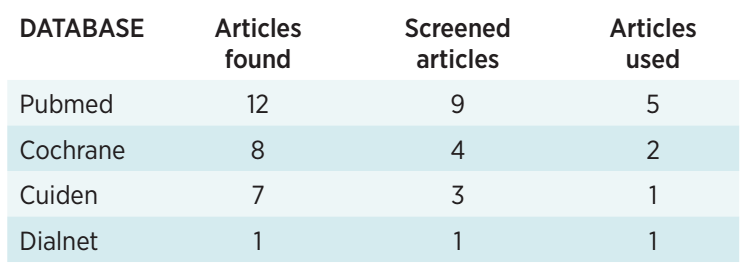
A first screening was performed by title and abstract, eliminating duplicate articles. After a critical reading (CASPe > 7), 7 were used.
Results. Medication errors in pediatrics occur up to three times more frequently than in adults, with the dose calculation phase and the time of administration being the most vulnerable moments. Many of these errors can be prevented by using strategies that improve medication safety and thus provide quality care to this pediatric population.
Pediatric emergency departments present a high risk of medication errors due to a series of predisposing factors: medically complex patients with multiple medications that may be unfamiliar to healthcare personnel, lack of standard dosing and formulations for commonly used pediatric medications, use of weight-based doses without standardization, variability in available concentrations, frequent interruptions in the emergency setting, use of verbal orders, lack of specific training, and absence of technological tools adapted to the characteristics of pediatric patients.
Nursing schools establish the foundations for preventing medication errors with the “five rights”: right patient, right drug, right dose, right route, and right time. The nursing role is positioned as the last link in medication safety, as they are responsible for the preparation, administration, and monitoring of drug effects, with the capacity to detect inconsistencies in prescription and preparation. The most effective strategies found:
- Develop standard forms for high-risk and commonly used pediatric medications.
- Exclusive use of weight in kg.
- Creation of precalculated dosage guides.
- Use of electronic prescribing and verification systems.
- Pharmaceutical support within emergency departments.
- Implementation of double check-in for high-risk medications.
- Reduction of distractions during preparation.
- Continuous training in pediatric pharmacology.
Recent experiences show that support materials such as standardized dosage cards or bar-code administration systems significantly reduce the incident rate.
Conclusions. Children pose a challenge for safe medication administration due to their inherent susceptibility derived from their anatomophysiological characteristics: variability in organ maturity, higher proportion of body water, which modifies the volume of drug distribution, need for weight-based calculation to individualize the dose, obligation to dilute and manipulate medications, existence of special ethical implications in children, and drug studies based solely on adults.
Safety in the administration of pediatric drugs in emergency care depends on a multidisciplinary and comprehensive approach that combines standardization, technology, and training. Nursing staff, due to their strategic position in the medication chain, play a decisive role in the detection and prevention of errors. Implementing clear protocols, promoting a culture of safety, fostering continuous learning, and providing support tools for clinical practice are essential measures to reduce risks and guarantee safe and quality pediatric care.
TELEMEDICINE AND NURSING PRACTICE: APPROACH TO PEDIATRIC EMERGENCIES IN RURAL SETTINGS. Devesa-Nat A, González-Olivera S. Hospital Materno Infantil San Joan de Deu. Barcelona, Spain.
Objective. Addressing pediatric emergencies in rural or hard-to-reach areas poses a challenge for healthcare systems due to the lack of resources, geographical dispersion, and scarcity of specialized personnel. Therefore, we set the objective to analyze the role of the nurse using telemedicine as a tool to mitigate the differences in urgent care for pediatric patients between rural and urban areas.
Methods. A literature review was conducted in PubMed, SciELO, and Cochrane in October 2025. MeSH terms (“rural health,” “pediatrics,” “emergency nursing”) and free terms (health disparities, emergencies, urgent care, socioeconomic barriers, nursing) combined with Boolean operators AND and OR were used. Articles published between 2020 and 2025 in Catalan, Galician, Spanish, or English were included, and paid studies and those focused on COVID-19 were excluded. To select the included articles, we applied the previously established inclusion and exclusion criteria, performed a title and abstract screening, and applied the CASPe quality guidelines. A descriptive qualitative analysis was performed. The initial search yielded 57 results, and two were included using the snowball technique, of which 21 met the inclusion criteria, and 12 were finally selected after critical reading.
Results. According to Marcin JP et al., rural areas present a significant deficit of healthcare personnel, especially pediatricians and nurses, with a forecast of future worsening. Furthermore, travel times to emergency services are considerably longer, which negatively impacts the clinical evolution and survival of the pediatric population. Faced with these limitations, telemedicine is revealed as an effective tool to improve access and quality of care. According to Saidinejad M et al., nurse teletriage via videoconference or telephone contact allows for initial assessments and guidance of healthcare actions remotely, providing speed, continuity, and professional support in settings with difficult access to specialists. In these contexts, the rural nurse acts as a central liaison figure between the patient, the family, and the rest of the healthcare team, being responsible for the initial response and health promotion and disease prevention. Information and communication technologies (ICT) have demonstrated relevant benefits in rural pediatric care. The use of virtual consultations facilitates direct communication with primary care pediatricians, reducing travel and waiting times. A study carried out in Catalonia by Bernabeu Sendra J et al. evidenced that transfers from areas of the Pyrenees to Barcelona can exceed two hours, highlighting the positive impact of telemedicine on accessibility and the quality of life of families. Furthermore, the literature indicates that these interventions decrease the frequency of in-person emergency visits and increase family satisfaction, contributing to more efficient care.
Conclusions. Significant differences exist in the care of pediatric emergencies between rural and urban areas, which need to be considered to mitigate their possible negative effects on patient health. In this context, telemedicine, already implemented in the community setting, is presented as a highly useful tool in emergencies, especially when used by pediatric nurses. Through resources such as teletriage, healthcare is brought closer to the rural population, urgent care is optimized, decision-making is favored, and continuity of care is guaranteed. Although much of the evidence focuses on the application of telemedicine in primary and hospital care, this experience can serve as a basis to promote its development and consolidation in the field of pediatric emergencies.
BRONCHIOLITIS IN INFANTS UNDER ONE YEAR OF AGE ATTENDED IN EMERGENCY DEPARTMENTS: BEFORE AND AFTER NIRSEVIMAB. Porris-López S, Antón-Infante A, Pinedo-Chico V, Toro-Moreno N, Alcolea-Ruiz S, García-García ML. Hospital Universitario Severo Ochoa. Leganés. Madrid, Spain
Introduction. Bronchiolitis is one of the main reasons for consultation in pediatric emergency departments in infants under one year of age. The introduction of nirsevimab, a single-dose monoclonal antibody for the prevention of respiratory syncytial virus (RSV), has modified the epidemiology and severity of the infection. Evaluating its impact is essential to optimize care and nursing management in pediatric emergency departments.
Objectives. To describe the epidemiological characteristics of infants under 12 months of age attended in emergency departments for bronchiolitis and to compare the cases registered in two time periods (pre-nirsevimab and post-nirsevimab). To analyze the viral etiology of the patients and to evaluate possible clinical and severity differences between both periods.
Methods. Descriptive prospective study that included infants under 12 months of age attended for bronchiolitis between October 2021 and September 2025, differentiating two periods: Pre-nirsevimab (2021-2023) and post-nirsevimab (2023-2025). Variables analyzed were sex, age, reason for discharge, and date of care. Nasopharyngeal aspirate was collected from patients for viral PCR. Statistical analysis was performed with SPSS-25, using Chi-square and Student’s T-test; a p<0.05 was considered significant.
Results. 934 patients were included; 58.7% were male, and the mean age was 5.1 months. 70.4% were discharged from the emergency department, and 29.6% required admission. 56% of the cases corresponded to the pre-nirsevimab period. The highest incidence was concentrated in the months of November and December. When comparing both periods, no differences were observed in sex or in the overall admission rate. Infants attended after the introduction of nirsevimab presented a higher mean age (5.7 vs. 4.7 months; p<0.001). The seasonal pattern showed a shift towards March-May in the post-nirsevimab period, with a decrease in cases in January and November. Of the 934 children attended in the emergency department, nasopharyngeal aspirate was collected in 267 infants under one year of age whose reason for discharge from the emergency department was hospitalization (mean age 3.8 months; 58.7% male). 96.6% presented viral detection and 40.4% coinfection. The most frequent viruses were RSV (53.9%) and rhinovirus (HRV) (42.7%). RSV clearly predominated in the pre-nirsevimab period (66.5% vs. 32%; p<0.001), while HRV and human metapneumovirus (HMPV) had a higher prevalence in the post-nirsevimab period. Regarding severity, 78.6% presented hypoxia; 39% required high-flow oxygen therapy, 8.6% required admission to the PICU, and 5.2% required mechanical ventilation. No significant differences were observed between periods in the use of high flow or mechanical ventilation, although PICU admission was more frequent in the pre-nirsevimab stage (11.2% vs. 4.1%; p=0.048).
Conclusions: The introduction of nirsevimab has significantly modified the epidemiology of bronchiolitis attended in emergency departments, reducing the circulation of RSV, shifting the seasonal peak, and increasing the mean age of infants under 12 months of age attended. The results support the preventive impact of nirsevimab and reinforce the role of nursing in the assessment and monitoring of bronchiolitis.
NURSING MANAGEMENT OF HEATSTROKE IN PEDIATRIC EMERGENCY DEPARTMENTS: EARLY INTERVENTION AND ENVIRONMENTAL PREVENTION. Urrea-García MC, Tirado-Cano N, Egea-Lucas P, Álvarez-García A, Segura-Cuadrado AB, Rodríguez-Riquelme LM. Hospital General Universitario Rafael Méndez. Lorca. Murcia, Spain. Hospital Clínico Universitario Virgen Arrixaca. Murcia, Spain. Hospital General Universitario Santa Lucia. Cartagena. Murcia, Spain.
Objectives. To analyze the nursing management of heatstroke in pediatric emergency departments. To describe the protocolized application of rapid cooling measures as a priority intervention. To develop an emergency care plan using NANDA, NOC, and NIC taxonomies that facilitates early detection, immediate clinical stabilization, as well as health education, integrating environmental health as a preventive strategy in emergency departments within the context of climate change.
Methods. After obtaining written parental consent, a clinical case was developed regarding a heatstroke episode treated in the pediatric emergency department during an extreme heatwave. Upon arrival at the service, the patient was semi-unconscious and sweating, so after applying the immediate action protocol from triage, a nursing assessment was performed using Marjory-Gordon’s patterns, identifying vital priorities. Two nursing diagnoses were established: hyperthermia r/t vigorous activity m/p altered mental status, dehydration, excessive sweating, and tachycardia. The second diagnosis was ineffective health maintenance r/t inexperience with thermal risk situations, lack of exposure to information, misinformation m/p verbalization of doubts about how to act in case of heatstroke. The outcomes (NOC) proposed were thermoregulation and risk control. The nursing interventions (NIC) performed in the emergency department were urgent triage, continuous monitoring of vital signs, peripheral venous access insertion, urgent blood work, active physical cooling with cold compresses to the axillae, groins, and forehead, external ventilation, clothing removal, fluid therapy and medication administration, as well as neurological monitoring using the Glasgow Coma Scale. Health education was offered to the family from the emergency department about heatstroke prevention, with the help and advice of the hospital’s Pediatric Environmental Health Unit, where the case occurred.
Results. The emergency assessment showed a tympanic temperature of 40.1ºC, tachycardia of 144 bpm, hypotension of 85/48 mmHg, tachypnea of 39 breaths per minute, oxygen saturation of 97%, Glasgow 12 with an incoherent verbal response. Examination: warm skin, diffuse erythema, intense sweating, dry mucous membranes, capillary refill greater than 3 seconds, weak pulses, hypotonia, severe dehydration. The emergency diagnosis was: classic heatstroke with transient neurological impairment. Immediate nursing action in the emergency department allowed for the implementation of therapeutic measures within the first few minutes. The evolution in the emergency department was favorable: thermal normalization (37.4ºC at 2 hours, without recurrences), recovery of consciousness level, and hemodynamic stabilization without inotropic support. The patient was admitted to the Intensive Care Unit for monitoring. After 24 hours, the patient presented a Glasgow of 15, oriented, without neurological, renal, or metabolic complications. The achievement of the proposed NOC indicators showed significant improvement from the emergency department regarding thermoregulation and caregiver knowledge, showing initial scores on a Likert scale of 1 or 2. In contrast, the score upon discharge from the emergency department was 4-5, demonstrating the effectiveness of immediate educational interventions.
Conclusions. Heatstroke constitutes a time-dependent vital pediatric emergency that requires immediate recognition at triage and protocolized nursing action in the pediatric emergency department within the first few minutes. Early detection of severe hyperthermia with neurological compromise and rapid, simultaneous active cooling are critical determinants of prognosis. Furthermore, health education initiated from the emergency department to families is consolidated as an essential high-impact preventive tool to avoid recurrences in the context of a great increase in emergency department visits for pathology related to the extreme heat that we suffer for a large part of the year in geographical areas such as the Region of Murcia. The integration of environmental health with practice in pediatric emergency departments represents an essential advance, combining urgent clinical care with primary prevention.
Explorar
Artículos
Volúmenes
Sobre la revista