Artículo original
Vol. 4 Núm. 3 (English)
14 min
Does the general population know the reasons that require urgent pediatric hospital care?
¿Conoce la población los motivos que requieren atención hospitalaria pediátrica urgente?
Leticia Bueso-Inchausti García¹* , Cristina Núñez-Carretero¹, María Escobar-Castellanos¹,², Inés Ojeda-Velázquez¹, Emiliana Armas-Castillo¹, Ana Jové-Blanco¹,²
¹Pediatric Emergency Department, Hospital General Universitario Gregorio Marañón, Madrid, Spain.
²Instituto de Investigación Sanitaria Gregorio Marañón, Madrid, Spain
Correspondencia:
Recepción:
13/05/2025
Aceptación:
20/06/2025
Publicación:
16/12/2025
Métricas
68
Visualizaciones
9
Descargas
Compartir
Compartir
Resumen (ES)
Introducción y objetivos: la creciente demanda asistencial en los Servicios de Urgencias Pediátricas (SUP) podría deberse a la falta de conocimiento sobre los síntomas que requieren atención hospitalaria urgente. El objetivo principal del estudio es analizar si los conocimientos de los padres sobre los motivos de consulta en los SUP mejora después de explicar verbalmente una hoja informativa.
Métodos: estudio observacional, descriptivo, pseudoexperimental, prospectivo y unicéntrico llevado a cabo en el SUP de un hospital de tercer nivel. La población a estudio fueron los cuidadores de pacientes menores de 16 años. En la fase 1 los investigadores entregaron un cuestionario escrito a los cuidadores. En la fase de intervención se les entregó y explicó la hoja informativa. En la fase 2, un mes después, se contactó telefónicamente para repetir el mismo cuestionario.
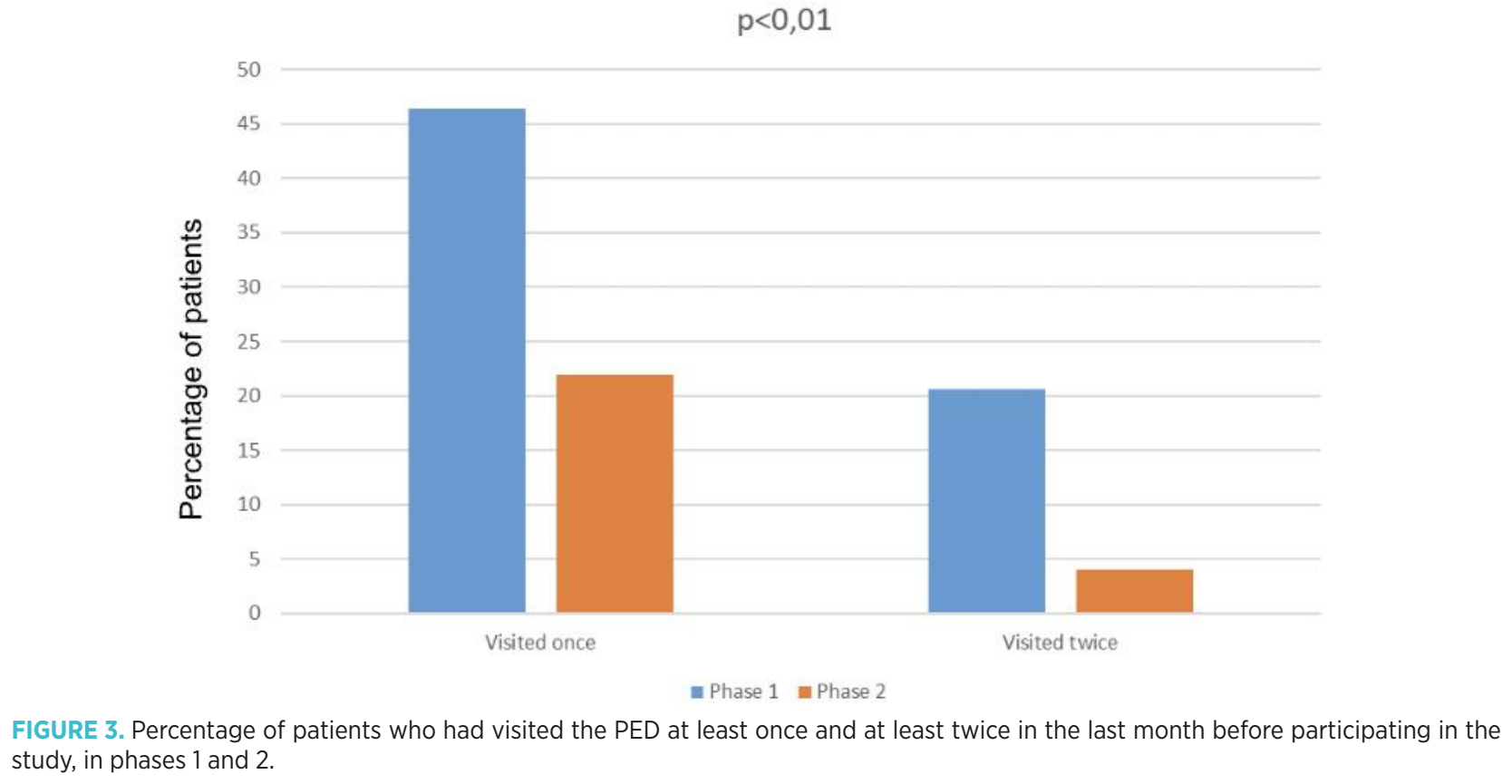
Resultados: durante la fase 1 se reclutaron 151 cuidadores, de los cuales 95 (62,9%) contestaron la segunda encuesta. La puntuación media de aciertos en la fase 1 fue de 11,40 sobre 14 preguntas (DE 1,71), que aumentó a 12,5 (DE 1,50) en la fase 2 (p<0,001). En la fase 1, el 46,4% de los pacientes habían visitado el SUP al menos una vez en el último mes. Tras la fase de intervención, dicho porcentaje se redujo hasta el 21,9% (p<0,01).
Conclusiones: podemos concluir que la educación sanitaria a través de una explicación verbal y escrita de los motivos por los que acudir al SUP es una herramienta útil para mejorar los conocimientos de la población.
Palabras clave (ES):
Resumen (EN)
Objectives: the increase in demand for assistance in Pediatric Emergency Departments (PED) may be due to caregiver’s lack of knowledge regarding the symptoms that require urgent medical attention.
The main objective of this study is to analyze if caregivers’ knowledge about the reasons for which to consult at the PED improves after providing a verbal explanation of an informative standardized sheet.
Methods: descriptive, quasi-experimental, prospective and single-center observational study conducted at the PED of a high complexity hospital. The study population included caregivers of patients under 16 years old. In phase 1 investigators delivered a written questionnaire to caregivers. In the intervention phase, caregivers were provided with the informative sheet. In phase 2, caregivers were contacted one month later and conducted the same questionnaire.
Results: during phase 1, 151 caregivers were recruited, of which 95 (62.9%) completed phase 2. The mean number of correct answers in phase 1 was 11.4 points out of 14 questions (SD 1.71), which increased to 12.5 (SD 1.50) in phase 2 (p<0.001). In the survey performed in phase 1, 46.4% of the patients had visited the PED at least once in the last month. After the education intervention, this percentage reduced to 21.9% (p<0.01).
Conclusions: we can conclude that health education provided by a verbal and written explanation of the reasons for visiting the PED is a useful tool for improving the knowledge of the population on this matter.
Palabras clave (EN):
Introduction
Currently, there is a growing demand for care in Pediatric Emergency Services (PES) worldwide. However, this increase is not attributed to a rise in the severity of the illnesses for which children are evaluated(1).
This increase in PES visits is mainly due to low-urgency conditions, classified as triage levels IV (semi-urgent) or V (non-urgent)(2). In most cases, these could be adequately managed in primary care pediatric services. Several factors contribute to this situation: younger patient age, low educational level of caregivers, a culture of immediacy, or the day of the week(3–6). Another possible cause is caregivers’ lack of knowledge regarding the signs or symptoms that require urgent hospital care, as opposed to those that can wait to be assessed by their primary care pediatrician(3–6).
Moreover, this increased demand in PES has negative consequences for the quality and safety of patient care, generating longer waiting times, delays in attending severe cases, and an increase in medication errors(7,8).
Over the years, multiple studies(9) have analyzed the best way to provide health education to improve caregivers’ knowledge. This approach can reduce PES visits, shorten hospital stays, and promote a more efficient use of available health resources, thereby decreasing associated costs(9). In daily clinical practice, information is often transmitted verbally. However, verbal information is easily forgotten and is frequently ineffective(10,11). Evidence supports including concise and easy-to-understand written resources to reinforce the message being conveyed(10). In addition, patient understanding improves when interactive or active learning methods are used, such as short questionnaires, videos, or even digital resources in apps or websites(12,13).
The hypothesis of this study is that health education delivered through written information, in addition to verbal explanation, is an effective method to improve caregivers’ knowledge regarding the reasons to attend the PES. This, in turn, may lead to better use of resources, ensuring safer and higher-quality care.
The main objective of this study is to analyze whether caregivers’ knowledge about the reasons for consultation in the PES improves after verbally explaining a standardized informational leaflet. Secondary objectives were to describe caregivers’ knowledge regarding the reasons for seeking urgent care in a PES and to identify associated factors. Another objective was to evaluate the impact of these factors on the number of PES visits, the need for treatment, hospitalization, and re-consultations.
Materials and methods
Study design
A descriptive, quasi-experimental, prospective, single-center observational study conducted in the Pediatric Emergency Service (PES) of a high-complexity hospital in Madrid, Spain, which attends 60,000 emergencies annually.
Study population
The study population included caregivers of patients under 16 years of age who consulted in the PES during the working shifts of one of the principal investigators. Written informed consent was required. Exclusion criteria included withdrawal of consent, language barriers, or clinical situations that prevented delivering the initial questionnaire to caregivers before medical evaluation.
The study was conducted over a month and a half (December 1, 2022 to January 15, 2023) and was approved by the hospital’s Clinical Research Ethics Committee.
Study phases and variables
The study was carried out in three phases: delivery of the written questionnaire before medical evaluation (Phase 1), verbal explanation of the informational leaflet (intervention), and a telephone call one month later (Phase 2):
• Phase 1: Before medical evaluation, one of the principal investigators delivered the written questionnaire (Appendix 1) and written informed consent to the caregiver.
• Intervention: After completing the questionnaire, an investigator provided the informational leaflet “Should I go to the emergency department? Quick guide for parents and caregivers”(14), along with a verbal explanation of its content. Guidelines were established beforehand to standardize how verbal information was delivered. During the patient’s stay in the PES, sociodemographic data and clinical variables (medical history, triage level) were collected, as well as information about complementary tests, treatment, hospitalization, and the number of PES visits in the previous month.
• Phase 2: One month after the PES visit, the investigator contacted by telephone the caregiver who had completed the initial questionnaire. During the call, the same questionnaire used in Phase 1 was administered, adding questions about clinical evolution and PES visits during the month after inclusion in the study.
Survey design
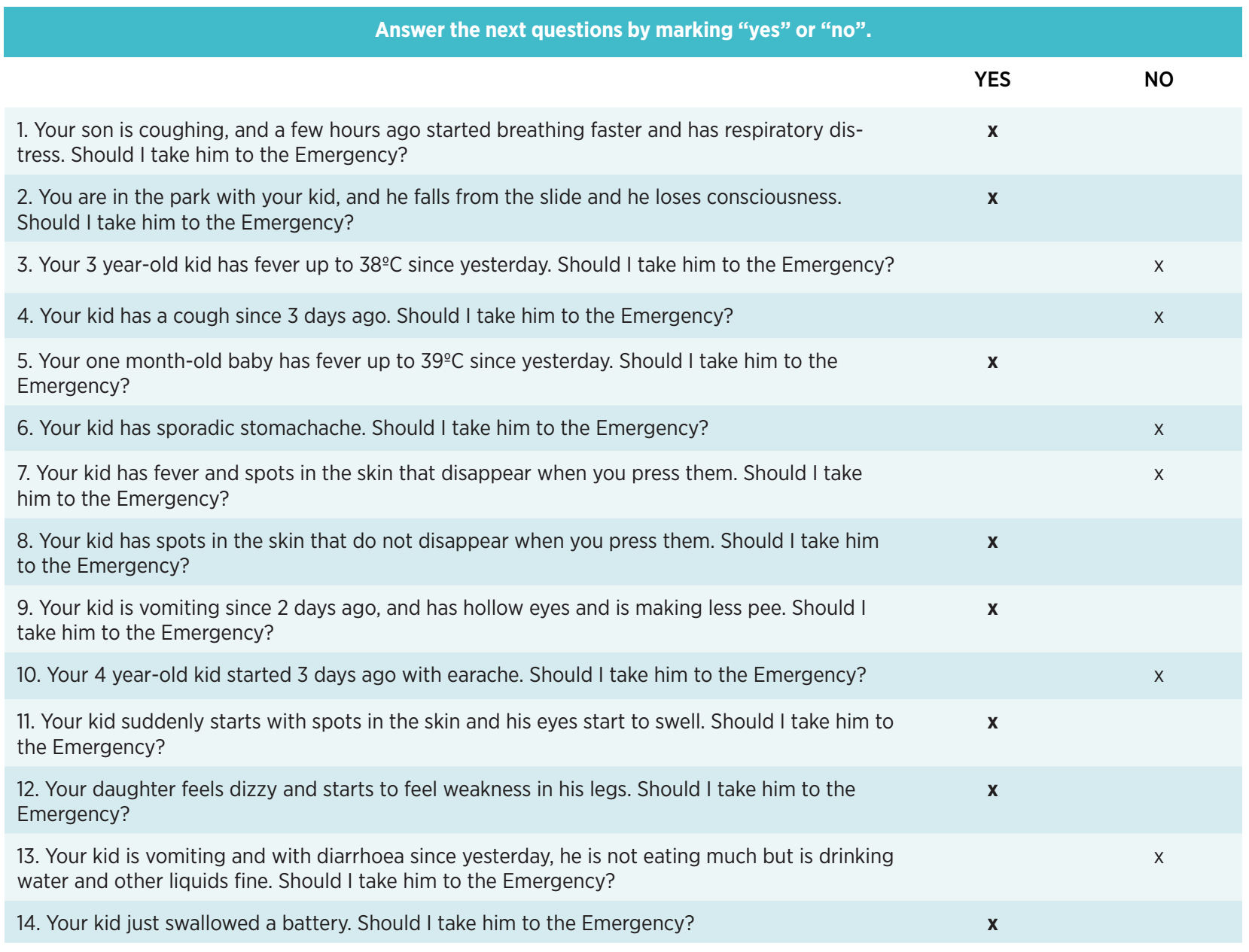
The survey consisted of 14 yes/no questions. Each item presented a brief clinical scenario involving common reasons for pediatric consultation (Appendix 1). All questions could be answered by consulting the standardized informational leaflet from the Spanish Society of Pediatric Emergency Medicine (SEUP), available at: https://seup.org/hojas-informativas/. A focus group was formed with the investigators to review the questionnaire items. Before the start of the study, the questionnaire was tested among healthcare professionals and individuals outside the medical field to ensure adequate comprehension.
Statistical analysis
Convenience sampling was used to recruit all eligible participants.
The estimated sample size was 109 patients, calculated to achieve 80% statistical power with an alpha of 5%, detecting a 3-point difference between questionnaires (based on a clinically relevant 20% difference), and considering a 15% attrition rate between phases.
Parametric quantitative variables were expressed as mean and standard deviation; nonparametric variables as median and interquartile range. Qualitative variables were expressed as frequency and percentage. A 95% confidence interval was used.
For the main objective, the difference in scores between Phase 1 and Phase 2 surveys was calculated and analyzed using the corresponding hypothesis test for mean differences (Student’s t test). To analyze the relationship between sociodemographic factors and caregivers’ baseline knowledge, a multivariable linear regression was performed. Statistical significance was set at p < 0.05. SPSS® version 25.0 was used for data analysis.
Results
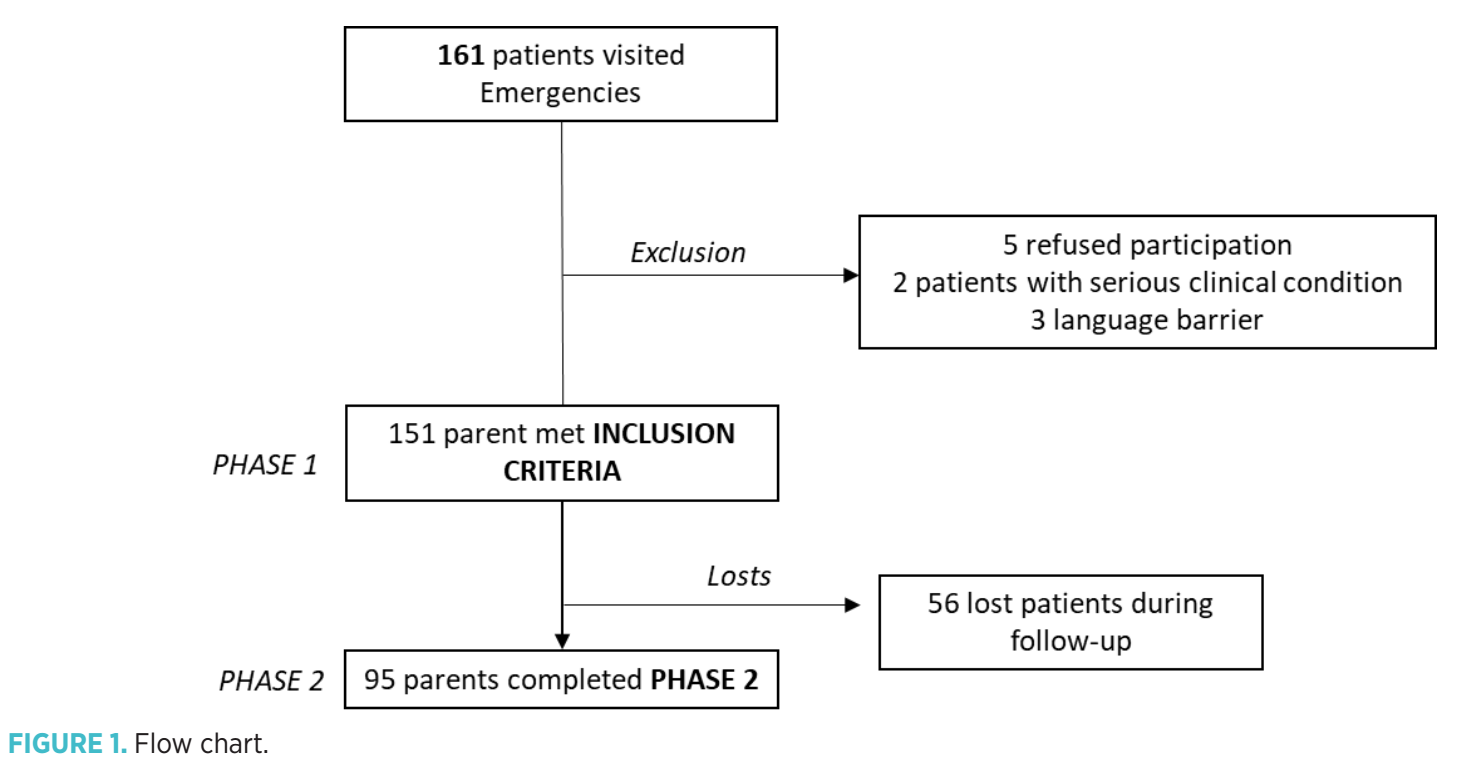
During Phase 1, a total of 3,556 emergency visits occurred. A total of 151 participants were recruited, of whom 95 (62.9%) completed Phase 2 (Figure 1).
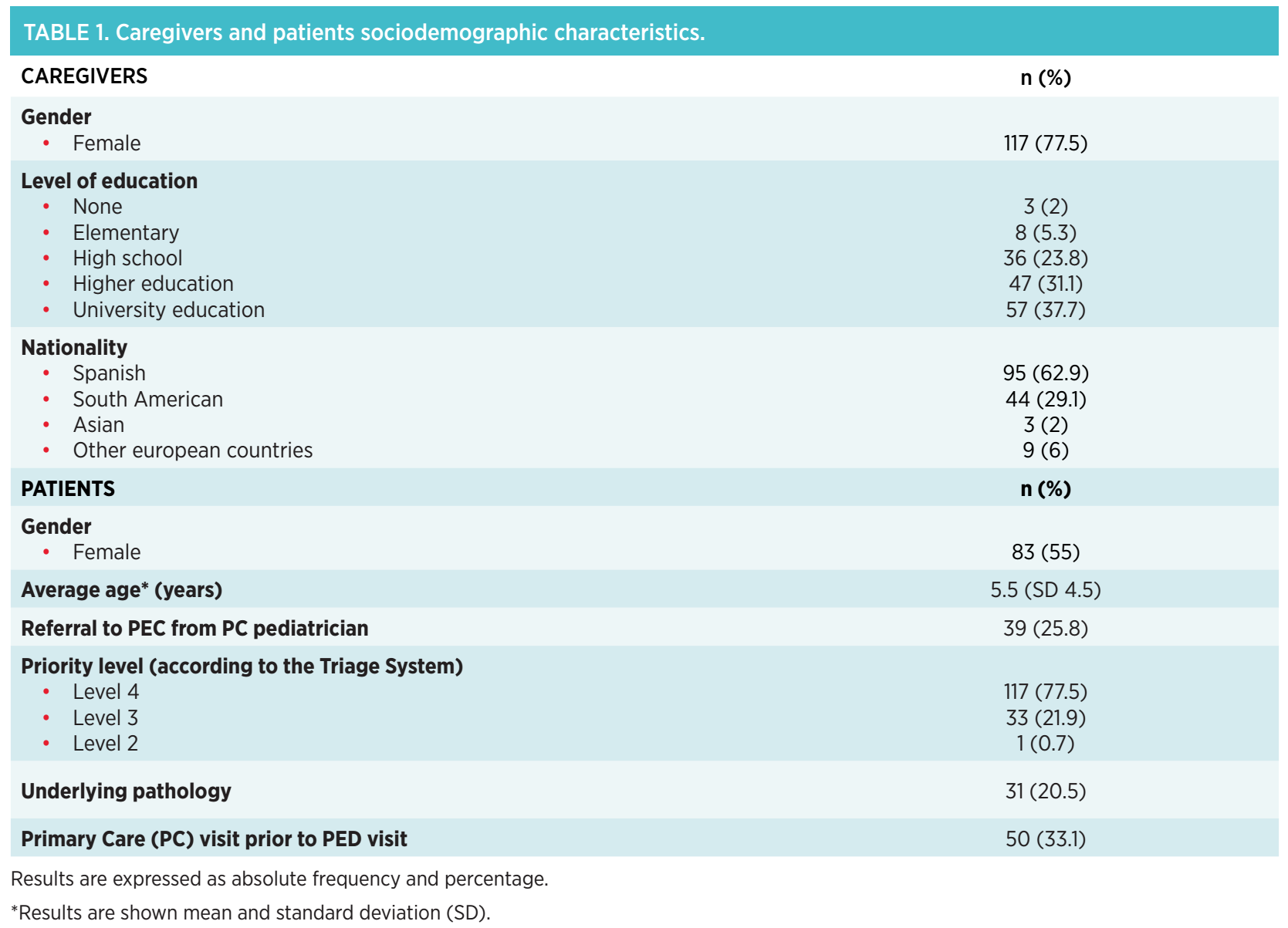
Sociodemographic characteristics of caregivers and patients are shown in Table 1.
Main objective
Figure 2 shows the mean number of correct responses in Phase 1 compared with Phase 2. In Phase 1, no differences were found between caregivers who completed Phase 2 and those lost to follow-up (mean correct responses: 11 [SD 1.73] vs. 11.63 [SD 1.66]; p = 0.725).
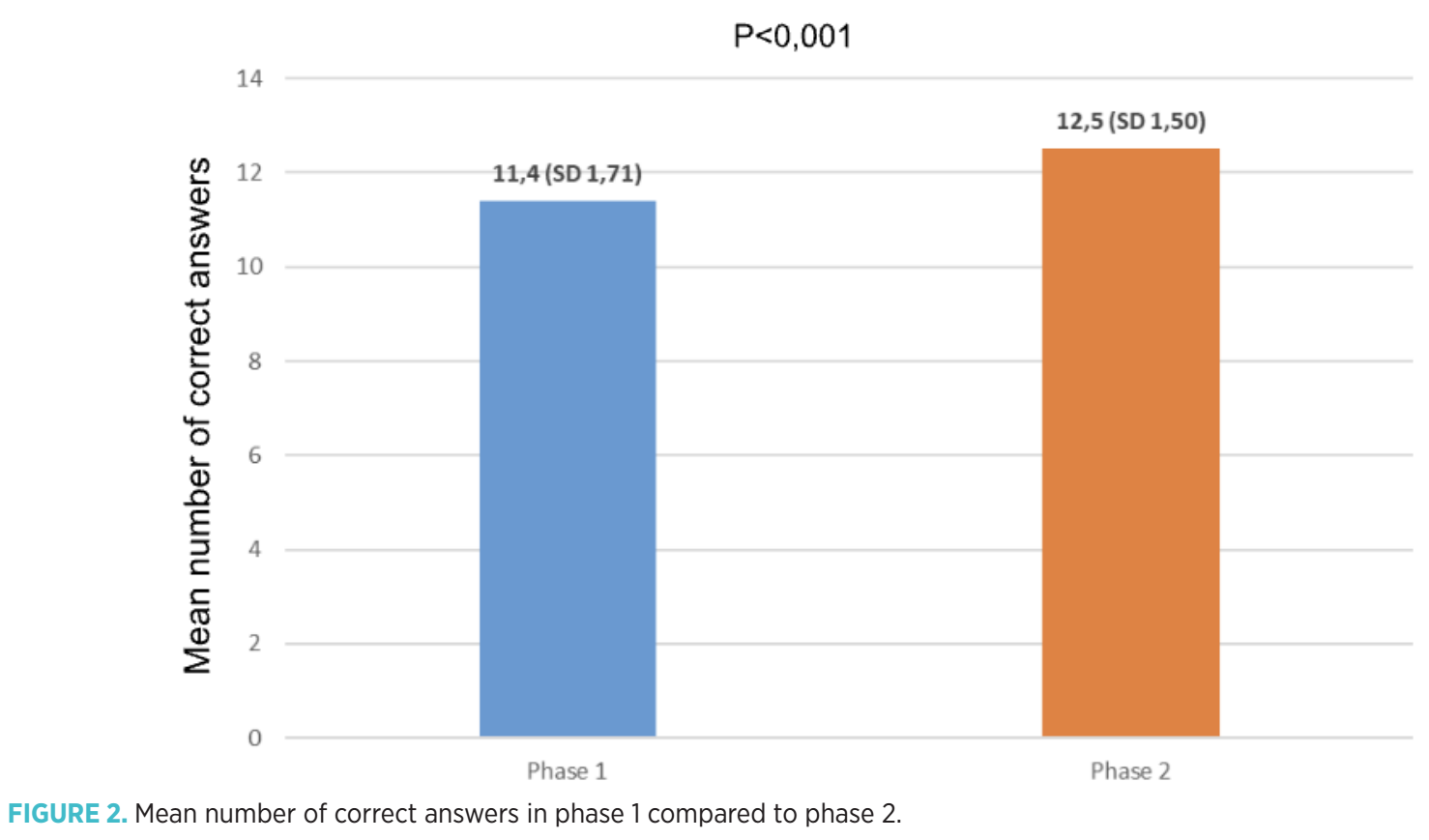
In Phase 1, 13 caregivers (6.8%) answered all questions correctly; this number increased to 28 caregivers (14.7%) in Phase 2 (p < 0.001).
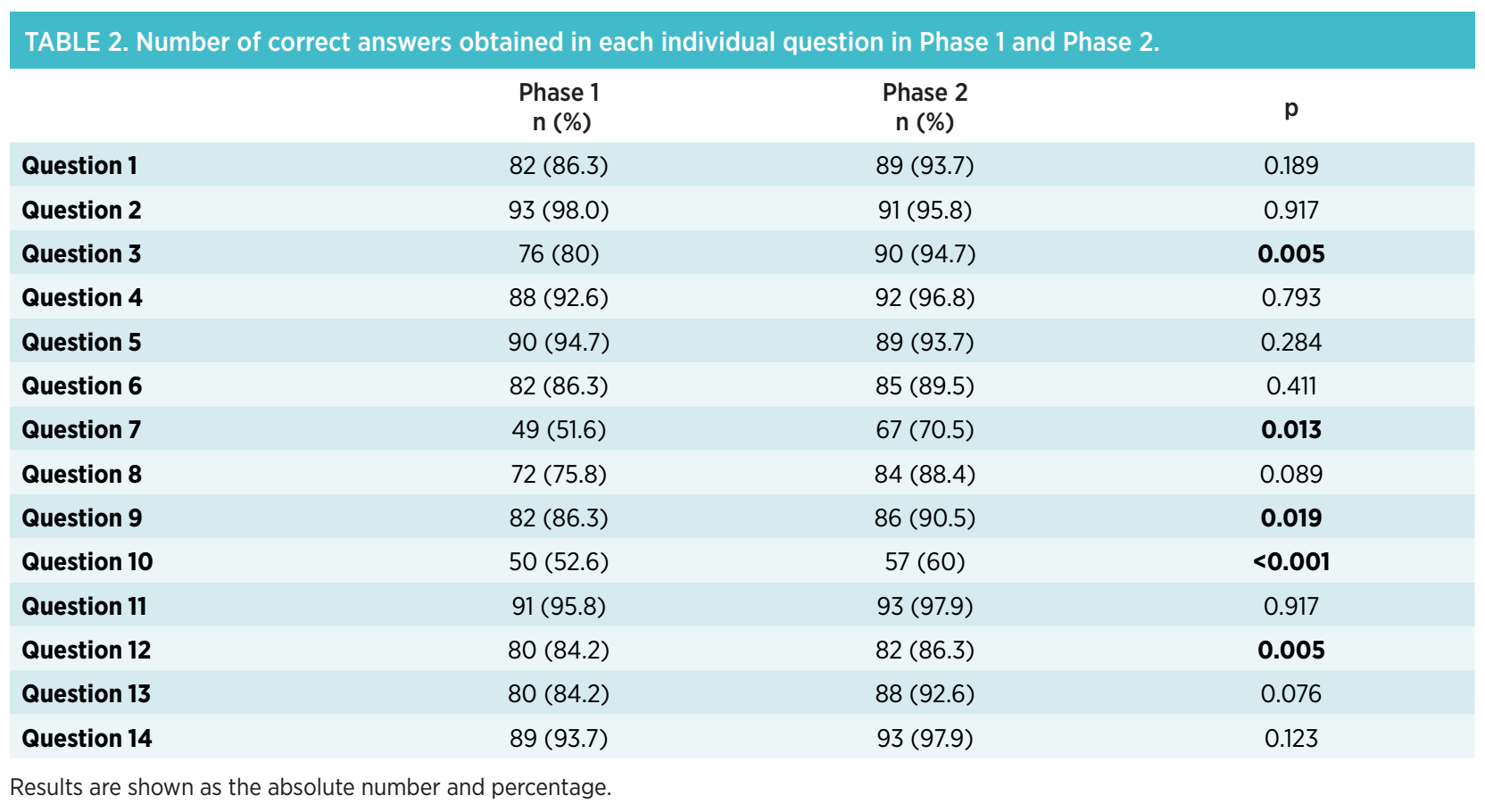
A significant improvement was observed in questions related to fever duration, skin conditions, ear pain, dehydration, and neurological warning signs (Table 2).
Secondary objective: caregiver knowledge
As a secondary objective, caregivers’ knowledge about urgent PES consultation reasons was analyzed. In Phase 1, question 7 (skin conditions) had the highest rate of incorrect responses (51.6% correct), followed by question 10 (ear pain) (52.6% correct).
Questions with the highest number of correct answers were question 2 (head trauma) and question 11 (anaphylaxis), with 98% and 95.8% correct answers, respectively.
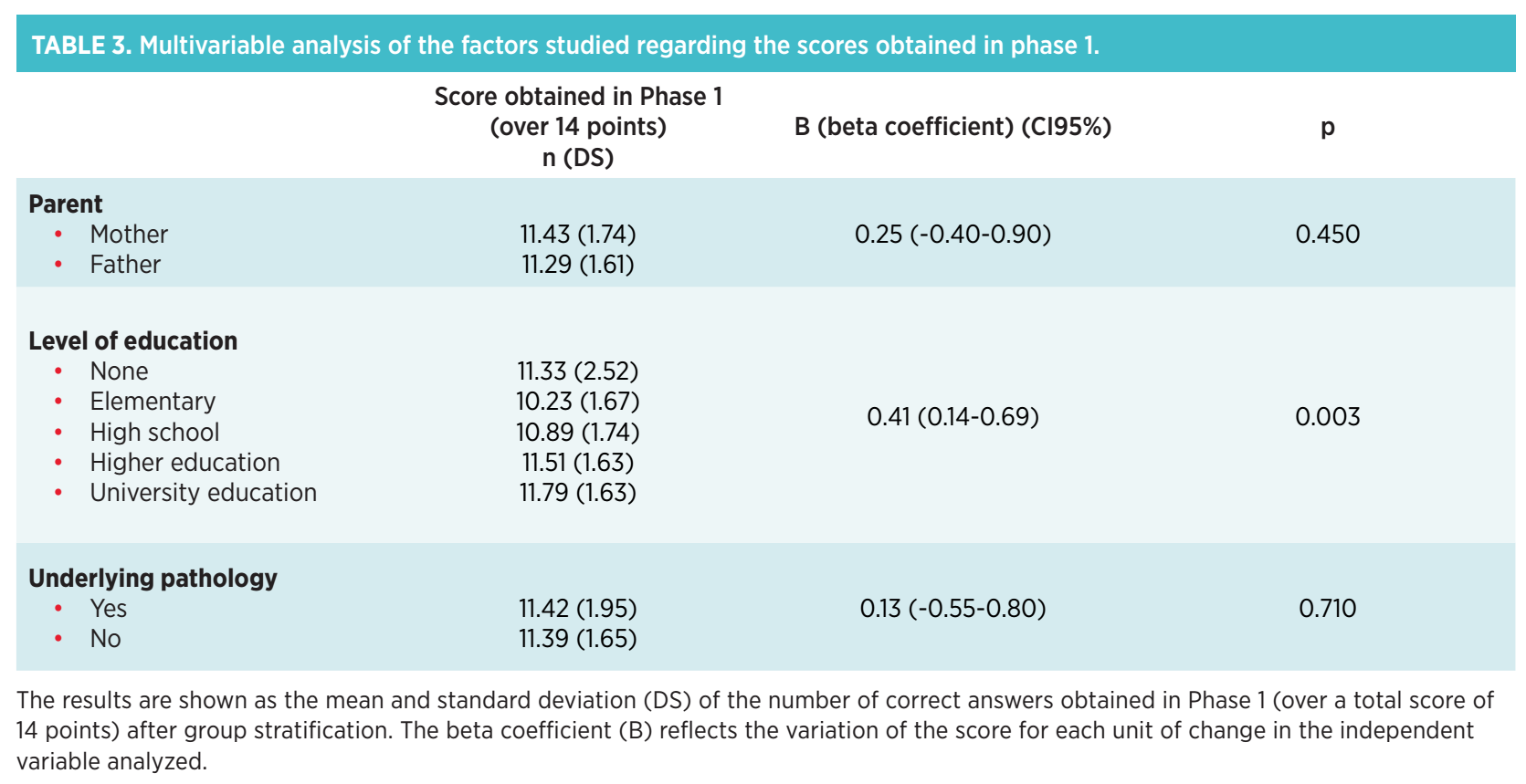
In the multivariable analysis, the only factor associated with Phase 1 score was caregivers’ educational level (B 0.41; 95% CI: 0.14–0.68; p = 0.003). No significant differences were found regarding caregiver sex, presence of underlying conditions, or prior primary care consultations (Table 3).
Impact of the intervention
Figure 3 shows the percentage of patients who had visited the PES at least once and at least twice in the previous month in Phases 1 and 2.
At inclusion (Phase 1), only 2 of 151 patients (1.3%) required hospitalization; 28 (18.5%) received pharmacological treatment; and 67 (44.4%) required complementary tests. After the intervention, 33 patients had revisited the PES in the previous month: 7 (21.2%) required hospitalization (p < 0.05), 12 (52.1%) received treatment (p < 0.05), and 14 (42.4%) required complementary tests (p = 0.479).
Discussion
This study evaluates the impact of an educational intervention delivered to caregivers, consisting of a verbal explanation of a written informational leaflet about reasons for consultation across different care levels. It also analyzes caregivers’ baseline knowledge of common pediatric conditions. Our results show that this strategy is generally effective at improving caregiver knowledge.
The literature supports the effectiveness of written information and interactive methods such as videos and questionnaires(10,12,13). In our study, the combination of verbal and written information appears effective in providing health education. Both total correct responses and the number of caregivers who answered all questions correctly increased.
Caregivers completed a questionnaire before and after the intervention with two objectives: evaluating the effect of the intervention and encouraging caregiver engagement. According to Hoffmann(10), answering short tests after receiving information improves memory. Reviews(13) suggest interactive methods enhance patient understanding. The systematic review by Glaser(13) assessed how different interventions improve patient comprehension in clinical informed consent; interactive interventions, particularly tests or teach-back strategies, appeared superior to written, audiovisual, or digital methods. However, little literature focuses specifically on teaching caregivers when to seek different levels of medical care.
The impact of the intervention varied among individual questions. Significant improvement was noted in questions related to common high-demand pediatric conditions, such as dehydration or neurological warning signs(1). However, some questions showed no significant differences, particularly those involving nonspecific symptoms (abdominal pain, otalgia). Literature supports that understanding the underlying medical condition helps caregivers better assess symptom relevance(15–17). This may explain why broad, nonspecific symptoms are less well understood. Thus, the impact of health interventions depends not only on how information is delivered, but also on the underlying condition(15).
Regarding baseline knowledge, in Phase 1, 10 out of 14 questions had more than 80% correct answers. Only 5 of the 14 showed significant improvement, a relatively small proportion compared with other studies(11). This may be due to the high baseline knowledge in Phase 1, or to the method used to explain the information. Evidence on the optimal format for delivering discharge information is inconclusive. Ismail(15) found that adding video instructions improved understanding, whereas Wood(18) reported that discharge instructions improved caregiver knowledge regardless of format.
One secondary objective was analyzing whether sociodemographic variables influenced caregiver knowledge. Higher educational level was significantly associated with better scores, consistent with findings by Long(4) and Morrison(5), who showed that low health literacy and incorrect perception of severity lead to increased PES use. This finding highlights the importance of assessing health literacy to tailor educational resources.
Notably, only one-third of respondents had consulted their primary care center beforehand. In our setting, Primary Care is a key pillar of the health system, where the primary care pediatrician should be the first point of contact. The SEUP leaflet(14) includes guidance on where children should seek care. Studies such as Ravi(6) show that people view primary care positively, given its accessibility and shorter waiting times. A potential factor in our study is that it was conducted during a primary care strike period, reducing caregivers’ possibility of consulting a pediatrician.
Regarding PES utilization, a decrease in visits was observed after the intervention. Previous studies(19) have reported similar findings, showing that health education effectively reduces PES demand. Additionally, patients who visited the PES in the month after the intervention had more severe conditions and clearer indications for emergency evaluation, evidenced by increased hospitalization and treatment rates.
Although cost-effectiveness was not analyzed, reduced PES visits after the intervention may imply lower associated healthcare costs.
Several limitations should be noted. We highlight the loss of participants during Phase 2 follow-up, likely related to the holiday season. Nonetheless, the estimated sample size was nearly reached, and baseline results were similar between participants who completed follow-up and those lost. Overall, our results continued to show significant differences in the main outcome.
Another limitation was variability in the verbal explanation delivered by investigators. Standardized guidelines were provided to reduce this bias.
Resource availability may also impact implementation in other settings. Finally, long-term impact on caregiver knowledge and PES use was not assessed, opening avenues for future research.
For applicability in other centers, healthcare professionals must be trained both in how to provide information and in the importance of strategies aimed at reducing PES demand. Educational materials should be adapted to each setting.
We conclude that health education delivered through verbal and written explanations regarding reasons to attend the PES is a useful tool to improve population knowledge. This study may serve as a starting point for analyzing the impact of such interventions on PES demand, with the aim of optimizing available resources.
Funding
This research did not receive any specific grant from public, commercial, or nonprofit funding agencies.
Author contribution
The authors certify that they contributed equally to the conception, design, scientific and intellectual content, and drafting of the manuscript.
Conflict of interest
The authors declare no conflicts of interest.
References
- García JLM, Orgeira JMF, Peromingo JAD. Demanda asistencial de urgencias pediátricas atendidas en un hospital comarcal. Aten Primaria. 2008;40(6):297–301.
- Landaluce AF. Triaje de urgencias de pediatría. En: Protocolos diagnósticos y terapéuticos en urgencias de pediatría. 2019.
- Oterino D, Peiró S, Calvo R, Sutil P, Fernández O, Pérez G, et al. Utilización inadecuada de un servicio de urgencias hospitalario: una evaluación con criterios explícitos. Gac Sanit. 1999;13(5):361–70.
- Long CM, Mehrhoff C, Abdel-Latief E, Rech M, Laubham M. Factors influencing pediatric emergency department visits for low-acuity conditions. Pediatr Emerg Care. 2021;37(5):265–8. Available from: https://doi.org/10.1097/PEC.0000000000002297
- Morrison AK, Chanmugathas R, Schapira MM, Gorelick MH, Hoffmann RG, Brousseau DC. Caregiver low health literacy and nonurgent use of the pediatric emergency department for febrile illness. Acad Pediatr. 2014;14(5):505–9. Available from: https://doi.org/10.1016/j.acap.2014.05.007
- Ravi N, Gitz KM, Burton DR, Ray KN. Pediatric non-urgent emergency department visits and prior care-seeking at primary care. BMC Health Serv Res. 2021;21(1):466. Available from: https://doi.org/10.1186/s12913-021-06471-y
- Kulstad EB, Sikka R, Sweis RT, Kelley KM, Rzechula KH. ED overcrowding is associated with an increased frequency of medication errors. Am J Emerg Med. 2010;28(3):304–9. Available from: https://doi.org/10.1016/j.ajem.2008.12.014
- Moskop JC, Geiderman JM, Marshall KD, McGreevy J, Derse AR, Bookman K, et al. Another look at the persistent moral problem of emergency department crowding. Ann Emerg Med. 2019;74(3):357–64. Available from: https://doi.org/10.1016/j. annemergmed.2019.04.013
- Hersh L, Salzman B, Snyderman D. Health literacy in primary care practice. Am Fam Physician. 2015;92(2):118–24.
- Hoffmann T, Worrall L. Designing effective written health education materials: considerations for health professionals. Disabil Rehabil. 2004;26(19):1166–73. Available from: https://doi. org/10.1080/09638280410001724816
- Friedman AJ, Cosby R, Boyko S, Hatton-Bauer J, Turnbull G. Effective teaching strategies and methods of delivery for patient education: a systematic review and practice guideline recommendations. J Cancer Educ. 2011;26:12–21. Available from: https://doi.org/10.1007/s13187-010-0183-x
- Jové-Blanco A, Solís-García G, Torres-Soblechero L, Escobar-Castellanos M, Mora-Capín A, Rivas-García A, et al. Video discharge instructions for pediatric gastroenteritis in an emergency department: a randomized, controlled trial. Eur J Pediatr. 2021;180:569–75. Available from: https://doi. org/10.1007/s00431-020-03838-3
- Glaser J, Nouri S, Fernandez A, Sudore RL, Schillinger D, Klein-Fedyshin M, et al. Interventions to improve patient comprehension in informed consent for medical and surgical procedures: an updated systematic review. Med Decis Making. 2020;40(2):119–43. Available from: https://doi. org/10.1177/0272989X19896300
- Sociedad Española de Urgencias de Pediatría. ¿Debo acudir a urgencias? Guía rápida para padres y cuidadores [Internet]. 2023 [Consulted: 5 October 2025]. Available from: https://seup.org/pdf_public/pub/hojas_padres/acudir_urgencias. pdf
- Ismail S, McIntosh M, Kalynych C, Joseph M, Wylie T, Butterfield R, et al. Impact of video discharge instructions for pediatric fever and closed head injury from the emergency department. J Emerg Med. 2016;50(3):e177–83. Available from: https://doi. org/10.1016/j.jemermed.2015.10.028
- Young M, Ross A, Sheriff A, Deas L, Gnich W. Child health interventions delivered by lay health workers to parents: a realist review. J Child Health Care. 2021;25(4):628–46. Available from: https://doi.org/10.1177/13674935211001577
- Belisle S, Dobrin A, Elsie S, Ali S, Brahmbhatt S, Kumar K, et al. Video discharge instructions for acute otitis media in children: a randomized controlled open-label trial. Acad Emerg Med. 2019;26(12):1326–35. Available from: https://doi.org/10.1111/acem.13827
- Wood EB, Barnett S, Harrison G, Presgrave K, Stinson S, Rovelli E. Video discharge instructions for Spanish-speaking caregivers in the pediatric emergency department. J Emerg Nurs. 2020;46(2):180–7. Available from: https://doi.org/10.1016/j. jen.2019.09.004
- Jeong JH, Hwang SS, Kim K, Lee JH, Rhee JE, Kang C, et al. Implementation of clinical practices to reduce return visits within 72 h to a paediatric emergency department. Emerg Med J. 2015;32(6):426–32. Available from: https://doi.org/10.1136/emermed-2013-202753
Annex 1. questionnaire
Questionnaire for the study “Does the population know the reasons that require urgent pediatric attention?”
The main objective of this study is to analyze whether caregivers’ knowledge about the reasons for attending the Emergency Department improves after providing and verbally explaining an informative standardized sheet on the subject. Before answering, remember that when your kid is ill, you can take him/her to the Primary Care Services or to the Emergency Department at hospitals.
Explorar
Artículos
Volúmenes
Sobre la revista
Más leídos
Emergencias Pediátricas
Emergencias Pediátricas
Emergencias Pediátricas
1º Congreso Mundial de Emergencias Pediátricas
Emergencias Pediátricas
Una nueva mirada a la vía aérea pediátrica: secuencia de intubación diferida como alternativa segura en situaciones de urgencias
Emergencias Pediátricas