Artículo de revisión
Vol. 4 Núm. 3 (English)
12 min
A new perspective on the pediatric airway: delayed sequence intubation as a safe alternative in emergency situations
Una nueva mirada a la vía aérea pediátrica: secuencia de intubación diferida como alternativa segura
Diego Gerardo Prado-Molina¹ , Santiago Thadeo Cruz-Portilla¹
 , Alejandro Jaimes-Morales², Laura Galvis-Blanco¹,²*
¹Faculty of Health Sciences, Universidad ICESI, Cali, Colombia.
²Fundación Valle del Lili, Cali, Colombia
Correspondencia:
Recepción:
29/05/2025
Aceptación:
21/09/2025
Publicación:
16/12/2025
Métricas
88
Visualizaciones
13
Descargas
Compartir
Compartir
Resumen (ES)
La Secuencia de Intubación Diferida (SID) es una estrategia de manejo de la vía aérea que constituye una alternativa a la secuencia de intubación rápida (SIR), especialmente en pacientes que no toleran la preoxigenación convencional debido a agitación, delirio o alteración del estado mental. Esta técnica permite optimizar la oxigenación antes de la intubación orotraqueal mediante la administración de dosis tituladas de sedantes que preservan la respiración espontánea y facilitan la preoxigenación. La evidencia disponible en población adulta ha demostrado que la SID reduce el riesgo de hipoxemia periintubación, particularmente en pacientes no cooperadores. Aunque los estudios en pediatría aún son limitados, la base fisiológica y los resultados obtenidos en adultos sugieren que esta estrategia podría ser una alternativa segura y eficaz en pacientes pediátricos seleccionados. Se presenta una revisión narrativa de la literatura disponible, identificada en bases de datos como PubMed, Scopus, Embase, LILACS y SciELO y buscadores académicos, incluyendo ClinicalKey, UpToDate, Ovid y Google Scholar; con el objetivo de dar a conocer los fundamentos, aplicaciones y el potencial de la SID en el manejo de la vía aérea en pediatría.
Palabras clave (ES):
Resumen (EN)
Delayed Sequence Intubation (DSI) is an airway management strategy that serves as an alternative to Rapid Sequence Intubation (RSI), particularly in patients who cannot tolerate conventional preoxygenation due to agitation, delirium, or altered mental status. This technique optimizes oxygenation prior to orotracheal intubation through the administration of sedation that preserves spontaneous breathing and facilitates preoxygenation. Evidence in adult populations has shown that DSI reduces the risk of peri-intubation hypoxemia, especially in uncooperative patients. Although pediatric studies remain limited, the physiological rationale and the results reported in adults suggest that this strategy may represent a safe and effective option in selected pediatric patients. We present a narrative review of the available literature, identified through databases including Medline, ClinicalKey, UpToDate, Scopus, Embase, Google Scholar, and PubMed, with the aim of highlighting the principles, applications, and potential role of DSI in pediatric airway management.
Palabras clave (EN):
Introduction
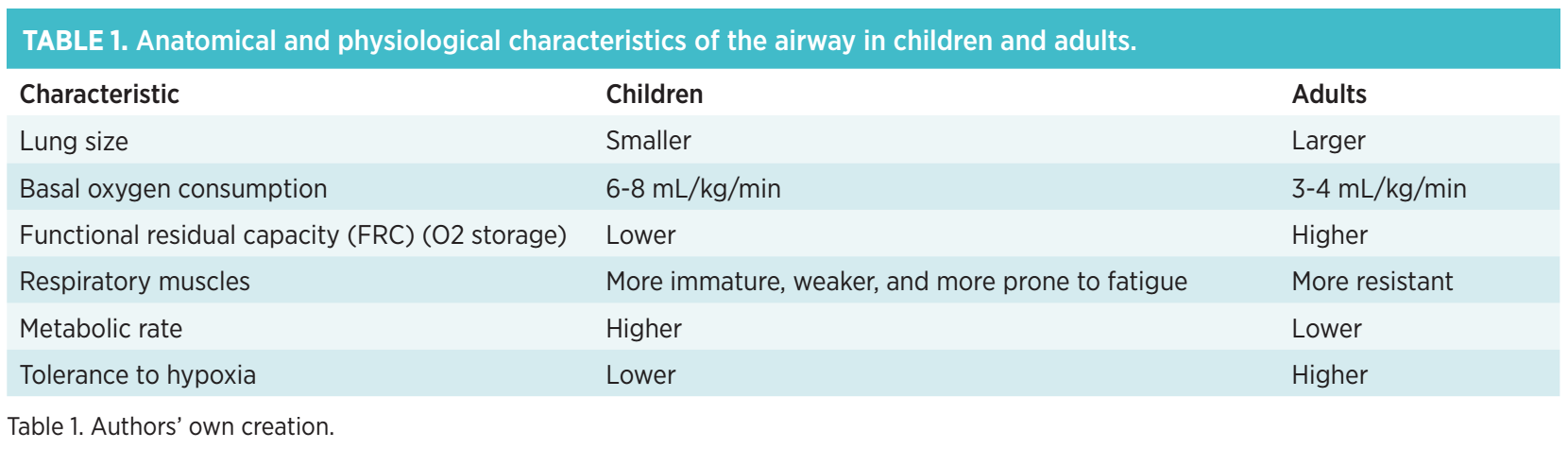
Airway management in pediatrics represents a significant challenge in the care of critically ill patients in emergency departments. This is due to physiological characteristics unique to this population, such as higher metabolic rate and oxygen consumption, lower functional residual capacity, and, consequently, a greater propensity for hypoxemia. These factors result in poor tolerance to apnea and a higher risk of hypoxia, bradycardia, and cardiopulmonary arrest during endotracheal intubation (ETI)(1,2).
Persistent hypoxemia before intubation is the strongest predictor of peri-intubation cardiac arrest in children, followed by pre-intubation hypotension, myocardial dysfunction, and repeated intubation attempts. This last factor has been shown to increase the risk of complications from 6.6% on the first attempt to 18.4% on the second(3–5). Hypoxemia is also the primary cause of interruption of laryngoscopy or intubation, further increasing the number of attempts and the risk of peri-intubation complications(4,5).
Rapid sequence intubation (RSI) aims to mitigate the potential risks associated with emergent airway management. This procedure includes the administration of a hypnotic agent and a neuromuscular blocker in a standardized sequence, facilitating ETI and reducing the risk of complications. However, there are clinical scenarios in which RSI is not feasible and alternative strategies are required.
Delayed sequence intubation (DSI) emerges as an option for patients who cannot tolerate conventional preoxygenation. It is indicated in agitated patients who do not allow preoxygenation. Its principle lies in administering sedation prior to anesthetic induction and neuromuscular blockade, allowing effective oxygen therapy while maintaining spontaneous breathing. This ensures continuous oxygenation before and after anesthetic induction, helping prevent hypoxemia and hypoventilation during the procedure(6).
Most studies supporting DSI come from adult populations. In pediatrics, there are no clinical trials or prospective cohorts validating its use, although various reports, case series, and reviews document its practice with favorable outcomes. In this context, DSI appears as a valid alternative in pediatric patients for whom conventional methods such as RSI are not viable.
The purpose of this article is to present a narrative review of the most relevant aspects related to DSI and its potential utility in pediatrics. Given that proficient airway management in emergency departments is a constant challenge, healthcare personnel must be familiar with and trained in different management alternatives, selecting the most appropriate strategy according to the clinical characteristics and context of each patient.
Materials and methods
A narrative review was conducted using the following MeSH terms and Boolean operators:
((“delayed sequence intubation” OR “delayed-sequence intubation” OR DSI) OR (“Intubation, Intratracheal” OR “endotracheal intubation” OR “rapid sequence intubation”)) AND (“Oxygen Inhalation Therapy” OR preoxygenat* OR “pre-oxygenation” OR “apneic oxygenation” OR “apnoeic oxygenation” OR “high flow nasal cannula”) AND (“Conscious Sedation” OR “Sedation” OR sedat* OR ketamine OR “procedural sedation”) AND (“Child” OR “Infant” OR “Adolescent” OR pediatric OR paediatric OR child*).
Searches were performed in PubMed/MEDLINE, Scopus (Elsevier), Embase (Elsevier), LILACS, and SciELO. Clinical reference resources and academic search engines were also consulted, including ClinicalKey (Elsevier), UpToDate, Ovid, and Google Scholar. Publications in English and Spanish were included, regardless of date. Priority was given to studies published within the last 10 years, with emphasis on pediatric populations, although adult studies providing relevant information were also included.
A total of 50 articles were identified. After screening titles and abstracts, 29 were excluded for not being directly related to pediatric populations or to the DSI context. Twenty-one full-text articles were reviewed; 13 pertained exclusively to pediatric populations, and the remainder involved mixed populations (adults and pediatrics, or general physiology applicable to both).
Anatomical Considerations of the Pediatric Airway
The airway in pediatric patients presents particular anatomical characteristics that differ from adults. Over fifty years ago, Eckenhoff et al. described its morphology as conical. However, with the advent of diagnostic techniques such as CT, MRI, and fiberoptic bronchoscopy, this concept was shown to be inaccurate. It is now recognized that the pediatric airway is predominantly cylindrical, with two points of maximal narrowing: at the vocal cords and at the cricoid ring. Additionally, the epiglottis is longer, stiffer, and shaped like a “U” or “omega”(7,8).
Bronchial size correlates directly with age. In younger children, the reduced bronchial diameter increases airway resistance. Added to this is a looser and more vascularized mucosa, such that minimal inflammation or edema can rapidly generate significant obstruction(8,9).
Furthermore, oxygen consumption in pediatric patients is higher due to elevated basal metabolic rate. Combined with reduced functional residual capacity — defined as the air volume remaining in the lungs after a normal passive exhalation— this results in a smaller oxygen reserve. Consequently, children desaturate more rapidly during apnea(8).
Preoxygenation Methods During Endotracheal Intubation
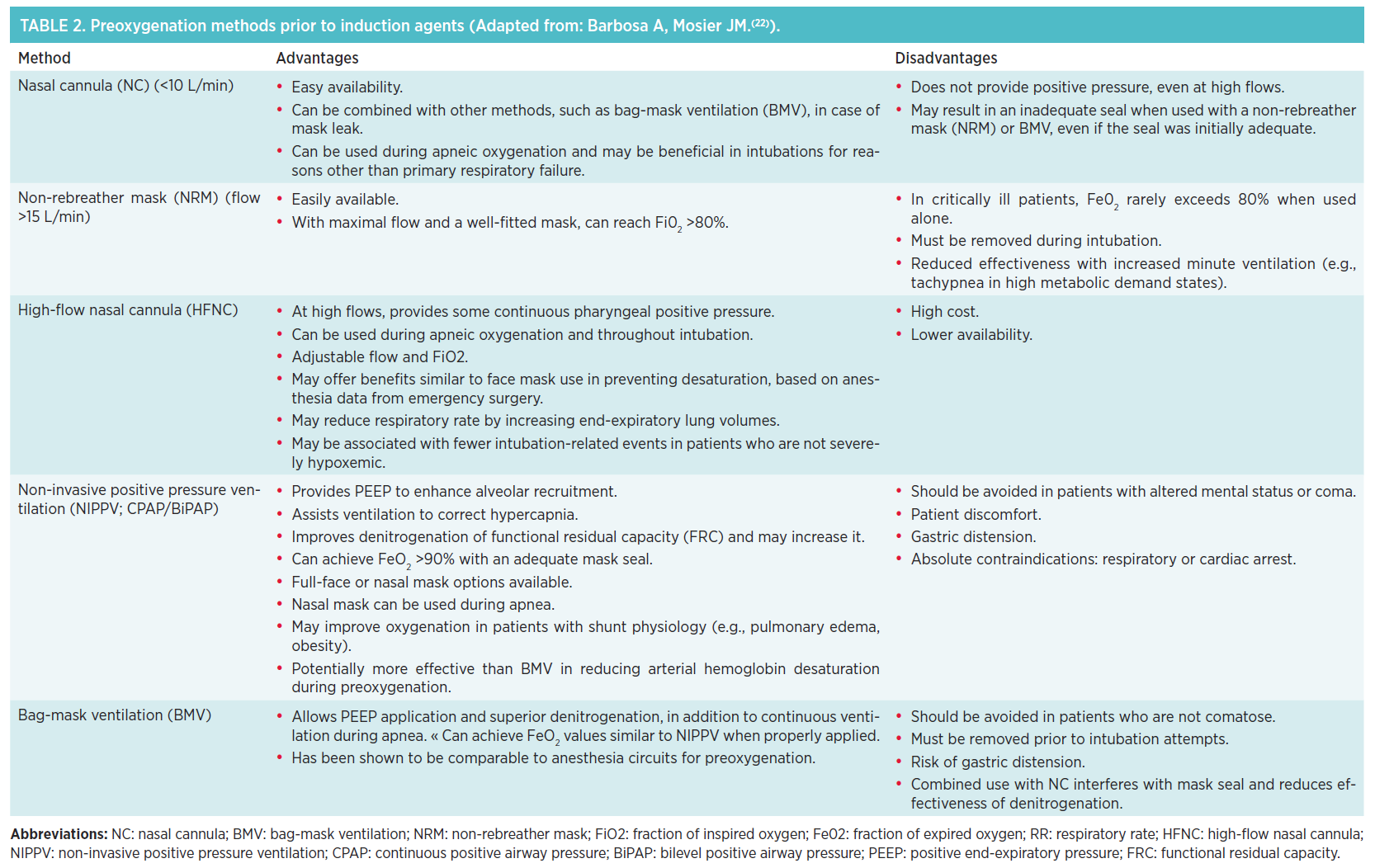
Preoxygenation is essential to allow time for laryngoscopy and placement of the endotracheal tube without desaturation. It involves administering oxygen until the onset of apnea, and even during apnea, to reduce the risk of cardiovascular collapse secondary to hypoxemia.
Preoxygenation is defined as the administration of oxygen before anesthetic induction or neuromuscular blockade, with the goal of replacing alveolar nitrogen with oxygen, increasing the alveolar reserve fraction and prolonging the time before desaturation(10,11).
The main mechanism of preoxygenation is airway denitrogenation, which aims to delay arterial desaturation during apnea following administration of anesthetic agents and prior to endotracheal tube placement. In other words, it seeks to ensure a “safe apnea time,” defined as the interval until the patient reaches an oxygen saturation of 90%(11).
It is typically performed by administering 100% oxygen for 3 to 5 minutes with spontaneous ventilation via a well-fitted face mask. Alternatively, the vital capacity method may be used, in which the patient takes 8 to 10 deep breaths of 100% oxygen over 60 seconds(12–14).
The target is an end-tidal oxygen fraction (FeO₂) ≥ 0.9, reflecting adequate nitrogen washout and optimal oxygen reserve. In pediatrics, due to higher metabolic demand, lower functional residual capacity, and reduced tolerance to apnea, preoxygenation is even more critical.
Delayed Sequence Intubation
DSI was developed to ensure adequate preoxygenation in agitated, hypoxemic, hypercapnic, or delirious patients who cannot tolerate conventional techniques such as RSI. In these cases, standard oxygen therapy devices, like face masks, may be ineffective because the patient may remove them or be unable to sustain continuous oxygenation, leading to intubation attempts without adequate preoxygenation.
In this context, the administration of a sedative agent can facilitate effective oxygenation.
The first adult study was published by Weingart et al. in 2015 in a cohort of 62 patients with altered mental status or medical conditions preventing optimal preoxygenation via classic techniques, including RSI. The authors reported improved peri- and post-intubation oxygenation without major complications, although the study was limited to adults and had inherent observational design constraints. Since then, case series, isolated reports, and narrative reviews have been published in both pediatric and adult populations(6,15).
More recently, in 2023, Bandyopadhyay et al. conducted the first randomized clinical trial in 200 critically injured adult trauma patients. Results showed significantly lower peri-intubation hypoxemia with DSI versus RSI (8% vs. 35%; p=0.001), along with higher first-attempt intubation success (83% vs. 69%; p=0.02)(16).
This constitutes the first clinical trial supporting DSI as a valid alternative to RSI in patients in whom conventional preoxygenation is expected to be ineffective.
In DSI, ETI requires the initial use of an intravenous anesthetic agent, as these patients are often uncooperative or present with altered mental status. Once a dissociative state preserving spontaneous breathing is achieved, oxygen is administered via non-rebreather mask or high-flow nasal cannula to maintain SpO₂ >95% for at least three minutes. Neuromuscular blockade is then administered, followed by ETI.
In summary, DSI can be understood as procedural sedation in which the procedure is preoxygenation(17).
Definition of DSI
Weingart et al. defined DSI as an alternative to RSI in which oxygenation is optimized before intubation and consists of two essential elements(15,17):
• Sedation prior to anesthetic induction and neuromuscular blockade, allowing oxygen delivery and secretion clearance using agents that preserve spontaneous breathing and airway protective reflexes.
• Oxygen therapy to prevent or delay hypoxemia before and after anesthetic induction and neuromuscular blockade.
Indications of DSI in Pediatric Patients
• Healthy, uncooperative children who do not allow preoxygenation
• Children with special needs such as autism spectrum disorders or ADHD
• Children with altered mental status, agitation, confusion, or encephalopathy(17)
Sedative Agents for DSI
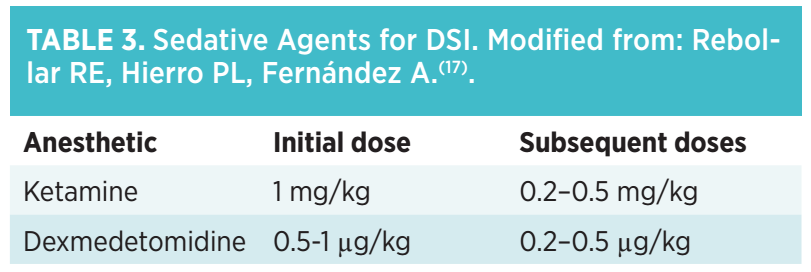
The anesthetic agents most commonly used for DSI are ketamine and dexmedetomidine. Ketamine is considered the agent of choice, as it is widely available and extensively used in pediatrics as a dissociative anesthetic that preserves respiratory drive and airway reflexes while maintaining cardiovascular stability(17).
Doses for both drugs are summarized in Table 3.
DSI Step by Step
1. Patient selection
• Uncooperative child with agitation, delirium, or altered mental status
• Hypoxemia/hypercapnia preventing conventional preoxygenation
• High risk of desaturation with RSI
2. Preparation
• Full monitoring (pulse oximetry, heart rate, blood pressure, capnography if available)
• Airway equipment ready
• Oxygen source and devices prepared (NRB mask, HFNC, or NIV)
3. Initial sedation
• Administer IV ketamine (1–2 mg/kg) or dexmedetomidine (0.5 mcg/kg), titrating subsequent doses as needed while allowing spontaneous breathing and tolerance of preoxygenation devices
4. Preoxygenation
• Non-rebreather mask (>15 L/min)
• HFNC (age/weight appropriate)
• NIV (CPAP/BiPAP) if available
• Maintain SpO₂ >95% for ≥3 minutes
5. Neuromuscular blockade
• Administer neuromuscular blocker
6. Endotracheal intubation
• Perform ETI during apnea
• Maintain supplemental oxygen (apneic oxygenation with NC/HFNC)
7. Verification and post-intubation care
• Confirm tube position (capnography, clinical assessment, auscultation)
• Adjust ventilator settings
• Monitor for complications
In Figure 1 the DSI algorithm is summarized.
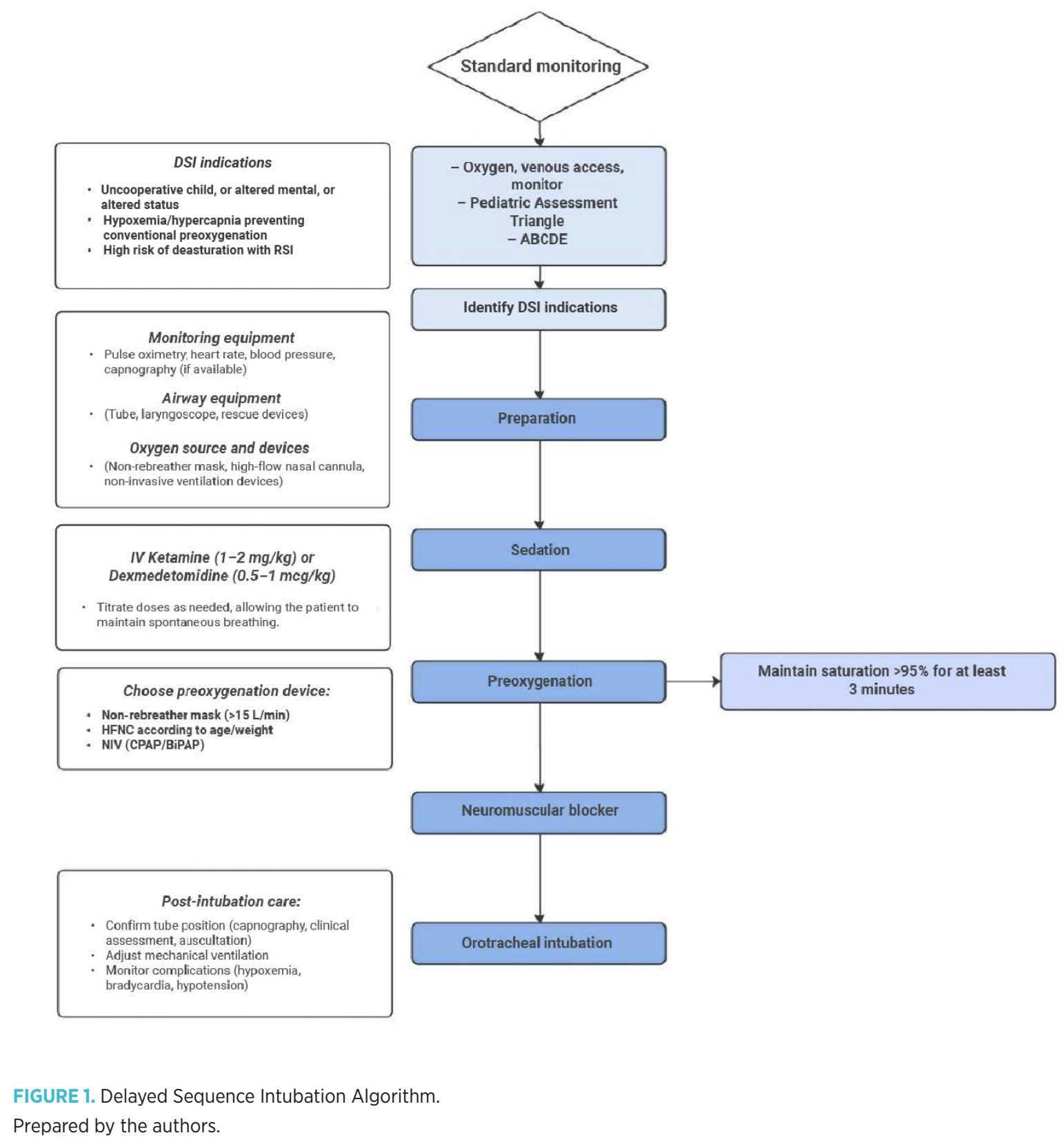
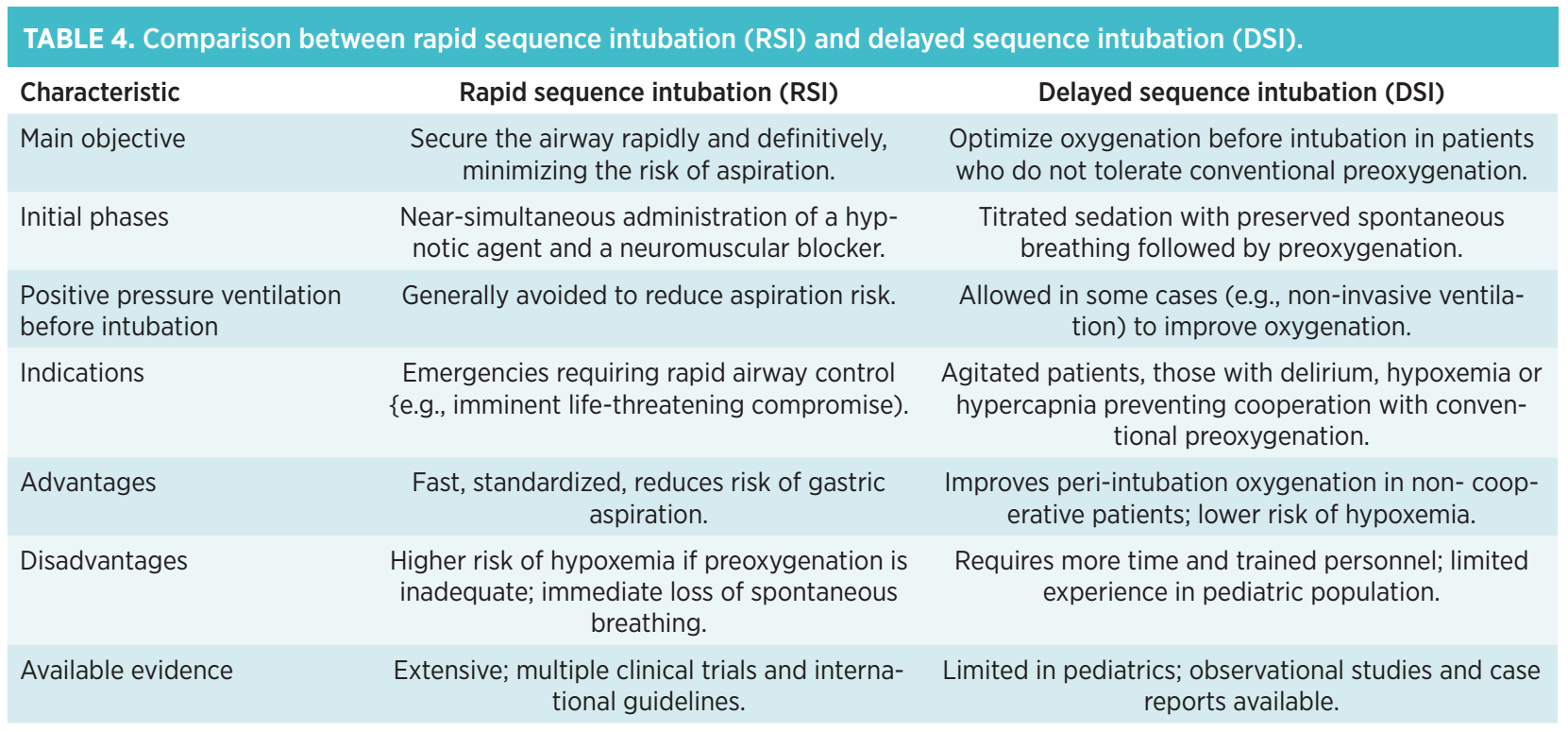
Table 4 presents a comparison between RSI and DSI.
Is There Evidence Supporting DSI in Pediatrics?
Evidence supporting DSI in pediatric patients is extremely limited. No prospective studies, randomized trials, or formal guidelines exist for children. Reports include the following successful pediatric cases:
• 16-month-old with RSV who did not tolerate a face mask(18)
• 11-year-old with cognitive delay and pneumonia; and an 11-month-old infant with intestinal obstruction and shock(19)
• 6-year-old obese child with adrenal insufficiency, hypoventilation, severe hypoxemia, and combativeness(20)
• 1.5-year-old child with esophageal perforation, pneumomediastinum, pneumothorax, and subcutaneous emphysema(21)
Conclusion
Delayed sequence intubation is an emerging and potentially promising alternative for pediatric airway management, particularly in critically ill children where conventional preoxygenation is insufficient or agitation compromises procedural safety. Although early reports suggest benefits in oxygenation and hemodynamic stability, current evidence remains limited and largely extrapolated from adult populations, preventing firm recommendations in children.
Clinical implementation should therefore be restricted to trained teams and selected scenarios. Future research should focus on prospective multicenter pediatric studies to validate its efficacy, define indications, and establish standardized protocols.
Funding
This research received no specific grant from public, commercial, or nonprofit funding agencies.
Conflicts of Interest
The authors declare no conflict of interest.
Author Contributions
The authors certify equal contribution to the conception, design, scientific and intellectual content, and manuscript writing.
References
- Heinrich S, Birkholz T, Ihmsen H, Irouschek A, Ackermann A, Schmidt J. Incidence and predictors of difficult laryngoscopy in 11,219 pediatric anesthesia procedures. Paediatr Anaesth. 2012;22(8):729–36. Available from: https://doi.org/10.1111/j.1460-9592.2012.03802.x
- Stein ML, Sarmiento Argüello LA, Staffa SJ, Heunis J, Egbuta C, Flynn SG, et al. Airway management in the paediatric difficult intubation registry: a propensity score matched analysis of outcomes over time. EClinicalMedicine. 2024;69:102461. Available from: https://doi.org/10.1016/j.eclinm.2024.102461
- Echeverry Marín PC, Engelhardt T. Algoritmo para el manejo de la vía aérea difícil en pediatría. Rev Colomb Anestesiol. 2014;42(4):325–34. Available from: https://doi.org/10.1016/j.rca.2014.05.008
- Dean P, Geis G, Hoehn EF, Lautz AJ, Edmunds K, Shah A, et al. High-risk criteria for the physiologically difficult paediatric airway: a multicenter, observational study. Resuscitation. 2023;190:109875. Available from: https://doi.org/10.1016/j.resuscitation.2023.109875
- Pokrajac N, Sbiroli E, Hollenbach KA, Kohn MA, Contreras E, Murray M. Risk factors for peri-intubation cardiac arrest in a pediatric emergency department. Pediatr Emerg Care. 2022;38(1):e126–31. Available from: https://doi.org/10.1097/PEC.0000000000002171
- Weingart SD. Preoxygenation, reoxygenation, and delayed sequence intubation in the emergency department. J Emerg Med. 2011;40(6):661–7. Available from: https://doi.org/10.1016/j.jemermed.2010.02.014
- Di Cicco M, Kantar A, Masini B, Nuzzi G, Ragazzo V, Peroni D. Structural and functional development in airways throughout childhood: children are not small adults. Pediatr Pulmonol. 2021;56(1):240–51. Available from: https://doi.org/10.1002/ppul.25169
- Dalal PG, Murray D, Messner AH, Feng A, McAllister J, Molter D. Pediatric laryngeal dimensions: an age-based analysis. Anesth Analg. 2009;108(5):1475–9. Available from: https://doi.org/10.1213/ane.0b013e31819d1d99
- Trachsel D, Erb TO, Hammer J, von Ungern-Sternberg BS. Developmental respiratory physiology. Paediatr Anaesth. 2022;32(2):108–17. Available from: https://doi.org/10.1111/pan.14362
- Nimmagadda U, Salem MR, Crystal GJ. Preoxygenation: physiologic basis, benefits, and potential risks. Anesth Analg. 2017;124(2):507–17. Available from: https://doi.org/10.1213/ANE.0000000000001589
- Barbosa A, Mosier JM. Preoxygenation and apneic oxygenation in emergency airway management. Clin Exp Emerg Med. 2024;11(2):136–44. Available from: https://doi.org/10.15441/ceem.23.089
- Semler MW, Janz DR, Lentz RJ, Matthews DT, Norman BC, Assad TR, et al. Randomized trial of apneic oxygenation during endotracheal intubation of the critically ill. Am J Respir Crit Care Med. 2016;193(3):273–80. Available from: https://doi.org/10.1164/rccm.201507-1294OC
- Goto T, Goto Y, Hagiwara Y, Okamoto H, Watase H, Hasegawa K. Advancing emergency airway management practice and research. Acute Med Surg. 2019;6(4):336–51. Available from: https://doi.org/10.1002/ams2.428
- Hayes-Bradley C, Lewis A, Burns B, Miller M. Efficacy of nasal cannula oxygen as a preoxygenation adjunct in emergency airway management. Ann Emerg Med. 2016;68(2):174–80. Available from: https://doi.org/10.1016/j.annemergmed.2015.11.012
- Weingart SD, Trueger NS, Wong N, Scofi J, Singh N, Rudolph SS. Delayed sequence intubation: a prospective observational study. Ann Emerg Med. 2015;65(4):349–55. Available from: https://doi.org/10.1016/j.annemergmed.2014.09.025
- Bandyopadhyay A, Kumar P, Jafra A, Thakur H, Yaddanapudi LN, Jain K. Peri-intubation hypoxia after delayed versus rapid sequence intubation in critically injured patients. Anesth Analg. 2023;136(5):913. Available from: https://doi.org/10.1213/ANE.0000000000006171
- Rebollar RE, Hierro PL, Fernández AMMA. Delayed sequence intubation in children, why not? Saudi J Med Med Sci. 2024;12(2):117. Available from: https://doi.org/10.4103/sjmms.sjmms_612_23
- Schneider ED, Weingart SD. A case of delayed sequence intubation in a pediatric patient with respiratory syncytial virus. Ann Emerg Med. 2013;62(3):278–9. Available from: https://doi.org/10.1016/j.annemergmed.2013.03.027
- Miescier MJ, Bryant RJ, Nelson DS. Delayed sequence intubation with ketamine in 2 critically ill children. Am J Emerg Med. 2016;34(6):1190.e1–2. Available from: https://doi.org/10.1016/j.ajem.2015.11.053
- Löllgen RM, Webster P, Lei E, Weatherall A. Delayed sequence intubation for management of respiratory failure in a 6-year-old child. Emerg Med Australas. 2014;26(3):308–9. Available from: https://doi.org/10.1111/1742-6723.12196
- Kaur A, Ray S, Dias R, Rajan K. Facilitation of delayed sequence intubation with oxygen reserve index monitoring in a child with esophageal perforation. Can J Anaesth. 2021;68(12):1826–7. Available from: https://doi.org/10.1007/s12630-021-02092-1
Explorar
Artículos
Volúmenes
Sobre la revista
Más leídos
Emergencias Pediátricas
Emergencias Pediátricas
Emergencias Pediátricas
1º Congreso Mundial de Emergencias Pediátricas
Emergencias Pediátricas
Una nueva mirada a la vía aérea pediátrica: secuencia de intubación diferida como alternativa segura en situaciones de urgencias
Emergencias Pediátricas